Xbox Just Put a Timer on Your Game Pass — and Microsoft Didn't Hide Why
Sep 21st '26 4:45pm:
Written by: jomifisi
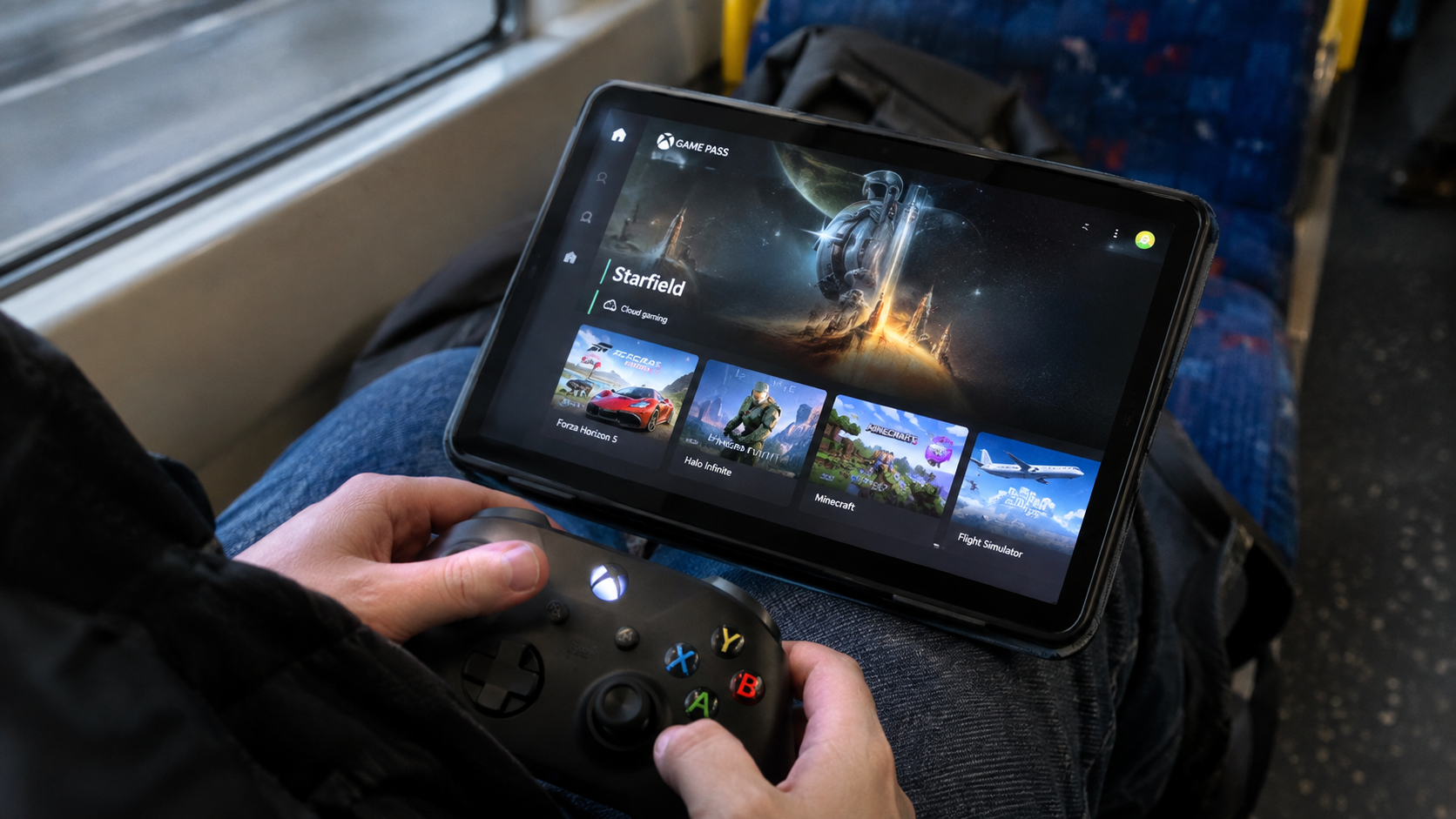
<br>For years, one of the big promises of Xbox Cloud Gaming was simple: pay the subscription, play as much as you want, on any screen. Starting in November, that promise ends. Microsoft is changing how cloud gaming comes bundled with Xbox Game Pass, moving to a fixed number of monthly hours per plan. And the number is smaller than most people will want to hear.
Here's the part that stings: even the priciest plan, Game Pass Ultimate, will be capped at 15 hours of cloud streaming per month, with lower tiers getting even less. Doing the simple math, that works out to about half an hour of play per day for people paying for the premium plan. Anyone who wants more will have to buy extra hours — and Microsoft hasn't revealed how much that will cost yet.
## The numbers behind the cut
The announced structure is straightforward: Game Pass Essential now includes a smaller number of hours, Premium a bit more, and Ultimate tops out at 15 hours a month. In practice, that means 5 hours for Essential, 10 for Premium, and 15 for Ultimate — a split that, for anyone used to playing on their phone during a bus commute or on work breaks, essentially makes regular use without extra spending impossible.
Once the quota runs out, cloud streaming simply stops until the next billing cycle, unless the subscriber buys more hours. There's no grace period, no generous "final minutes" warning — it's a switch that just flips off.
## The official justification (and what it doesn't fully say)
Microsoft was relatively transparent about the reasoning: the company said it's looking for a better balance between usage and costs, since the price of maintaining cloud infrastructure rises as more people play for longer. In other words, every hour of gameplay streamed via the cloud consumes real computing capacity — servers, GPUs, bandwidth — and that carries a direct cost that only keeps growing.
What stands out is the broader context around this decision within Microsoft. The company has been adopting usage-based pricing models across several product lines — something already happening with customers of AI tools like GitHub Copilot and Microsoft 365 Copilot, who increasingly pay based on how much they use. Xbox Cloud Gaming, in that sense, isn't an isolated exception: it's the application of a logic that had already been tested in other parts of the business.
That's the "why" the press release doesn't spell out explicitly, but that's implied: the era of flat-rate, unlimited pricing within the Microsoft ecosystem is being replaced by an era of granular usage metering — and gamers are only feeling it now because cloud gaming was one of the last products to hold onto the old model.
## "It only affects 4% of users" — but what does that actually mean
Microsoft made a point of softening the public impact of the news by saying the change will affect around 4% of Game Pass subscribers, meaning those who regularly exceed the new monthly limits for their tier. With an estimated base of 30 million subscribers, that works out to roughly 1.2 million people.
The "it's just a minority" argument tends to work well as a communications strategy, but it deserves a more skeptical look. As Forbes' coverage of the story pointed out, there's an implicit contradiction in that number: if such a small slice of users actually uses cloud gaming heavily, why introduce a limit now at all? The more likely answer isn't about curbing abuse — it's about creating a new recurring revenue stream from a feature that used to be free within the subscription.
It's also worth considering who that 4% probably is. It's not the casual player who flips on cloud gaming once a month to try out a new release. It's the user who made their phone or browser their main console — usually because they don't have a physical Xbox or a gaming PC on hand. That's exactly the audience Microsoft used to court with the pitch of "play anywhere, on any screen." Now, that same audience is the one footing the bill for the change.
## What changes for non-subscribers
Not everything in the update is restrictive. Starting in November, there's also a new way to use cloud gaming without a Game Pass subscription, allowing people to buy individual streaming hours for games they already own. It's an interesting move: Microsoft is simultaneously tightening unlimited access for paying subscribers and opening a paid door for people who don't subscribe to anything. The common thread is clear — monetize every hour of use, no matter where it comes from.
## What this signals for the rest of the industry
The timing isn't accidental. Cloud gaming as a whole category is still expensive to run, and competitors feel similar pressure. Nvidia's GeForce Now operates with its own, different usage limits, which gives heavy users an alternative if Xbox's new restrictions make the service feel less appealing — but even there, "truly unlimited" isn't as common as it used to be.
The takeaway for anyone following the industry is this: cloud gaming has stopped being treated as a free promotional perk and started being treated as what it always was behind the scenes — a heavy infrastructure service with variable usage costs, closer to corporate cloud computing than to a video-streaming subscription benefit. Microsoft is simply the first major company to admit that out loud and charge for it explicitly.
For the average player, the practical effect lands in November: fewer guaranteed hours, a counter running in the background, and a month-by-month decision — pay more or accept the limit. The generation that treated Xbox Cloud Gaming like cable TV for games — turn it on and play without thinking about minutes — is going to have to get used to a behavior that's already familiar with other digital products: tracking your own consumption before it starts tracking you.
<br>Link: https://suaragarut.id/en/microsoft-caps-xbox-cloud-gaming-hours