Why Kuon, Rule of Rose, and Killer7 Will Never Get Remade
Sep 14th '26 2:49pm:
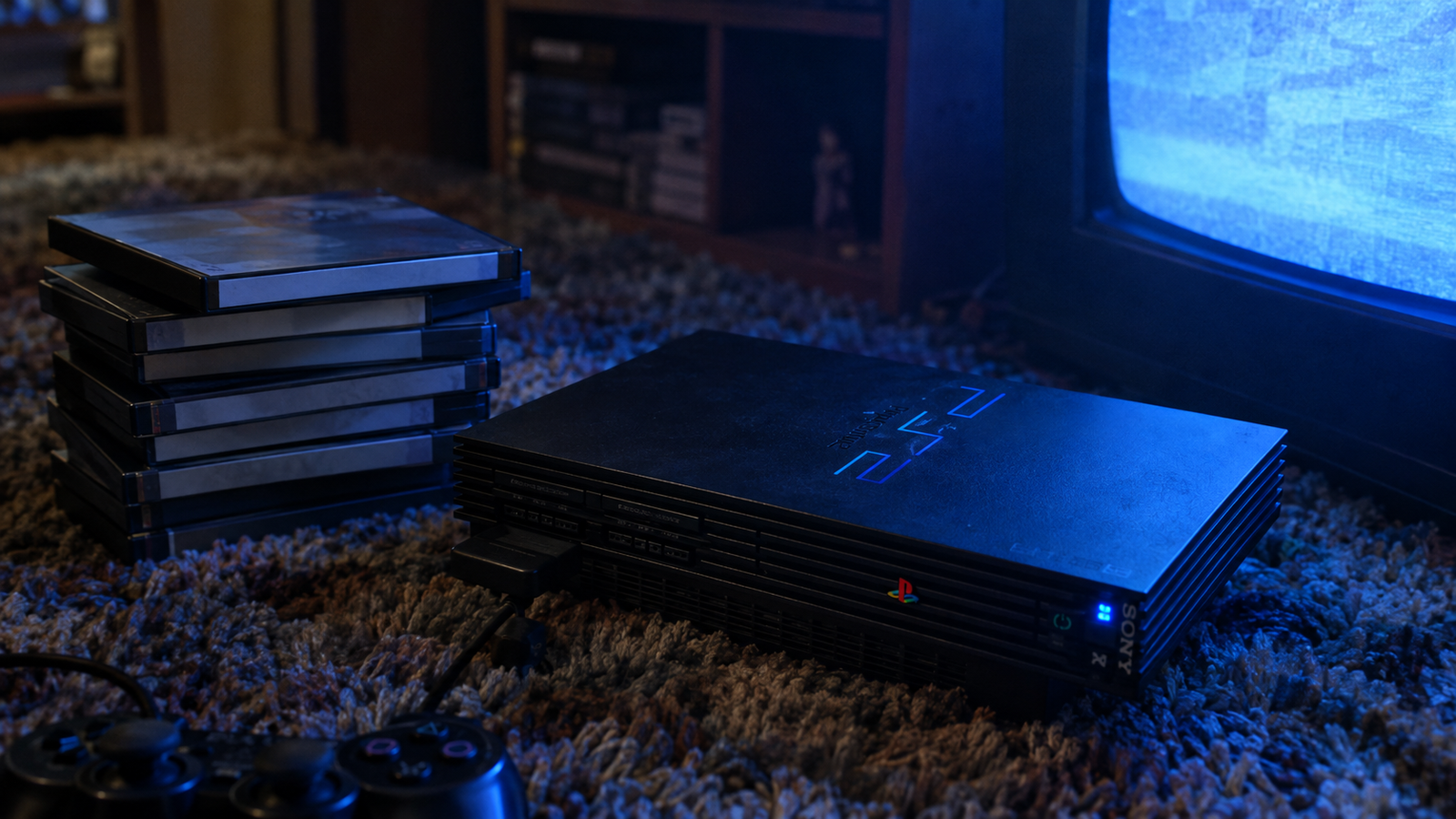
Capcom has remade Resident Evil four times if you count remasters. Square Enix pulled Final Fantasy VII off the shelf and turned it into a sixty-dollar trilogy. And yet dozens of PlayStation 2 titles with organized fanbases, active wikis, and Change.org petitions remain exactly as they were in 2004: stuck in a generation of graphics that hasn't aged well, with no studio willing to take the risk.
## The Names the Industry Would Rather Forget
It's not a lack of demand. It's a choice — and it's worth looking at the actual cases before getting into theory.
- **Killer7** (2005, Grasshopper Manufacture/Capcom): got a PC port in 2018, but never a remake with a rebuilt graphics engine. Capcom doesn't even confirm today whether it fully holds the rights.
- **Kuon** (2004, FromSoftware): a survival horror set in Heian-era Japan, with one of the most frequently cited soundtracks in the genre on niche forums — and 2026's FromSoftware, busy with Elden Ring, has no obvious commercial reason to go back there.
- **Rule of Rose** (2006, Punchline/Sony): partially banned in Europe after an Italian MP cited it in parliament over scenes involving abuse between children. Decades later, the controversy is still the main reason no major publisher wants to touch the project.
- **God Hand** (2006, Clover Studio): directed by Shinji Mikami, it's now close to a consensus pick among beat 'em up curators — and it's still orphaned, because Clover shut down in 2007 and the rights ended up in a gray zone inside Capcom.
- **Okage: Shadow King** (2001, Zener Works): an RPG art-directed by Susumu Matsushita (the same artist behind the Beetlejuice animated series) with genuinely odd humor — probably the clearest case of "nobody remembers this exists."
The pattern across these five isn't a lack of quality. It's the absence of one specific variable: none of them has an active parent brand pulling sales somewhere else.
## The Math Nobody Says Out Loud
This is the part standard games coverage tends to skip. A remake isn't a nostalgia decision, it's a spreadsheet decision — and the spreadsheet only works out when there's a living brand asset somewhere else to lean on.
Resident Evil keeps putting out new entries every two or three years; a remake of the fourth game feeds that pipeline and sells to people who never played the original. Final Fantasy VII has spin-off product going all the way down to a mobile app. Kuon, meanwhile, has no sequel, no sister franchise, nothing propping up the investment beyond the remake itself — so all the risk sits concentrated in a single release, with no safety net.
I've covered remaster launches since around the PS4 wave in 2016, and the line publishers give in press interviews hasn't changed much since then: asked about remakes of niche titles, the answer almost always circles back to "portfolio viability" — a polite way of saying the game has to justify its budget against a publisher's other bets, not against its own artistic merit. It's a criterion that happens to penalize exactly the strangest, most auteur-driven games of the PS2 era — which, ironically, are the ones people are still talking about decades later.
There's also a less-discussed factor: a good chunk of these games came from studios that no longer exist as independent legal entities. Clover became part of Capcom and was dissolved. Punchline, the studio behind Rule of Rose, shut down in 2009. When the original studio disappears, the remake depends on someone inside the current publisher *choosing* to revive someone else's old project — and that rarely happens without direct commercial pressure.
## What's Left Unanswered
You could argue the remake wave will eventually trickle down to this second tier of games, once the obvious titles run out. Maybe. But the games industry has never needed to exhaust a list before moving on to some other, safer franchise instead — and there's no concrete sign, in any recent Capcom, Square Enix, or Sony financial report, that this changes anytime soon. Meanwhile, Kuon keeps running on a physical PS2 with an already-worn laser lens, and odds are that's still how most of us are going to end up playing it.