Odyssey G5 at 39% Off: Why a Gaming Monitor Never Costs What It Claims
Sep 8th '26 2:02pm:
Written by: João Silva
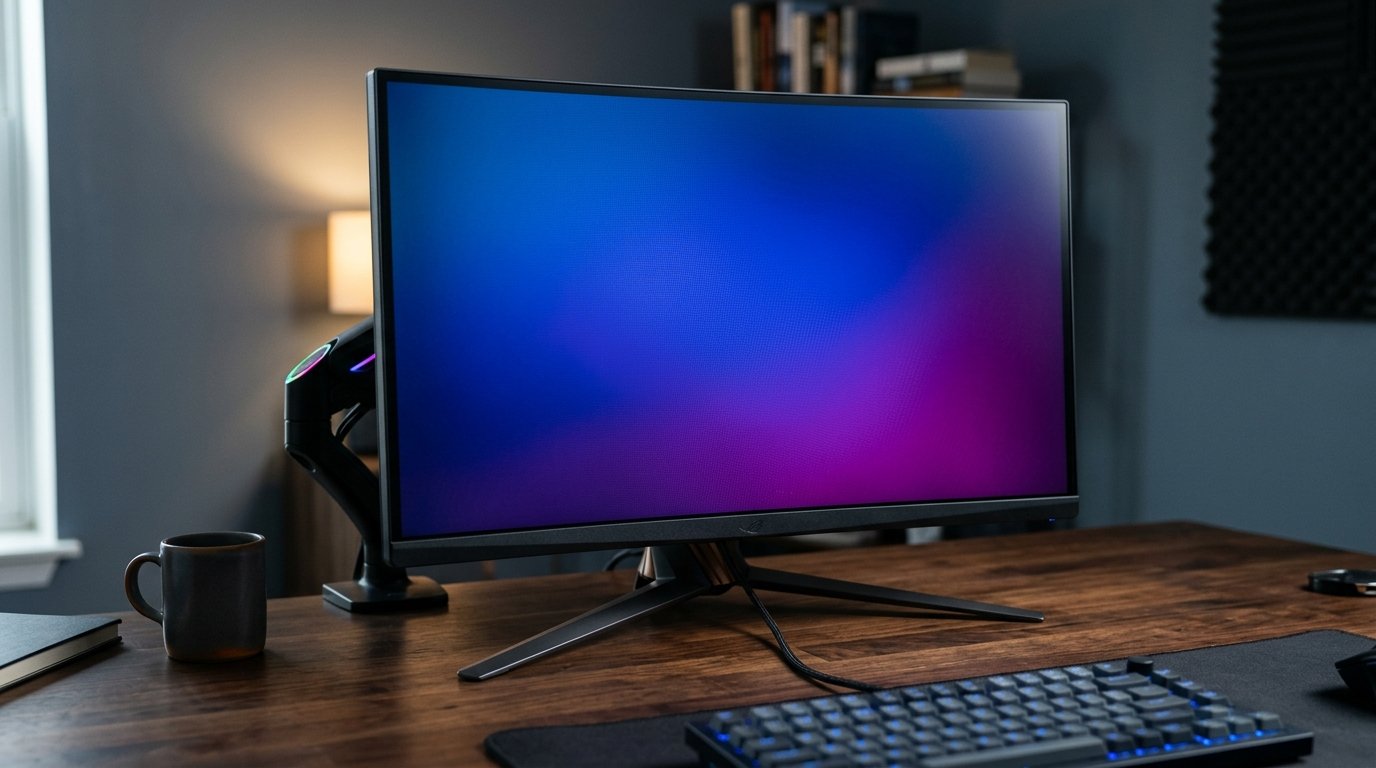
<br>The 27-inch Samsung Odyssey G5 — model G50F, Fast IPS panel, QHD resolution — has been selling on Amazon for $169.99 since September 8, a $110 drop from its $279.99 list price. That covers most of what counts as a genuinely good discount: 39% off the full price, next-day free shipping, and just 99 cents above the lowest price ever recorded for this specific model. Except "this specific model" is the part that deserves more scrutiny than it usually gets.
### What Changes (and What Doesn't) Between G5 Generations
The Odyssey G5 isn't a product — it's a line Samsung reworks nearly every year, swapping the name suffix and nudging specs just enough that comparing prices "on the same monitor" is never, technically, about the same monitor.
- **November 2022**: The 27" WQHD 144Hz G5 sold for $239.99 on Amazon, 25% below its $319.99 list price.
- **December 2023**: A 32-inch variant with 165Hz dropped to $208.99 at Best Buy — already a larger screen size bracket, which skews any direct comparison.
- **January 2026**: The G53F, a 27" QHD 200Hz successor, launched at $159.99, 36% below its $249.99 list price.
- **September 2026**: The current G50F, the subject of this deal, sits at $169.99 — ten dollars more than what the G53F cost seven months earlier, in a model that should, in theory, be newer.
Notice the pattern: the list price climbs year over year (from $319.99 down to $279.99, then back into the $249.99 range depending on the variant), while the actual sale price oscillates within a fairly narrow band, somewhere between $159 and $240. The "discount" is never fixed — it's the list price that gets adjusted to make the discount look bigger.
### What These Deal Posts Never Mention
I've covered hardware long enough to recognize the format: most deal sites — including Mashable, which originated this post — use a price tracker (Keepa, in this case) to confirm whether a figure matches the "lowest price on record." That check is real, not theater. The problem isn't the verification itself — it's what the check leaves out: the tracker only sees that specific model's SKU, so when Samsung launches the G53F with slightly better specs (200Hz versus the G50F's 144Hz, for instance) and a lower list price, the "old" G50F's history simply stops competing with its own successor — it becomes an isolated price line, easy to break records on because nobody's still buying that SKU to push the price down organically.
That doesn't make the $169.99 deal a bad one. For anyone who wants a decent IPS 1440p panel without paying OLED money, it's an honest price — arguably better than most LG and AOC competitors in the same bracket right now. But "record low" is a phrase carrying more marketing weight than the numbers alone can support.
Where this shows up most clearly is in the pressure entry-level OLED monitors — now sitting around $300 for a 27-inch panel — are putting on Samsung's IPS line. Every cut to the G5 is, in part, a way of keeping the budget shelf breathing while the brand's marketing budget concentrates on the Odyssey OLED G8 and G9.
The G50F currently on sale will probably vanish from the catalog within eight to ten months, replaced by another suffix with marginally better specs and a recalibrated list price to restart the discount cycle. It's worth buying today if you need a monitor today — just don't expect the line's next "all-time low," a year from now, to be comparing the same thing at all.