Smash Bros. "Dream Games" Are Realer Than Most Launches
Sep 7th '26 6:07pm:
# Why Nintendo Never Needed to Announce Smash 6
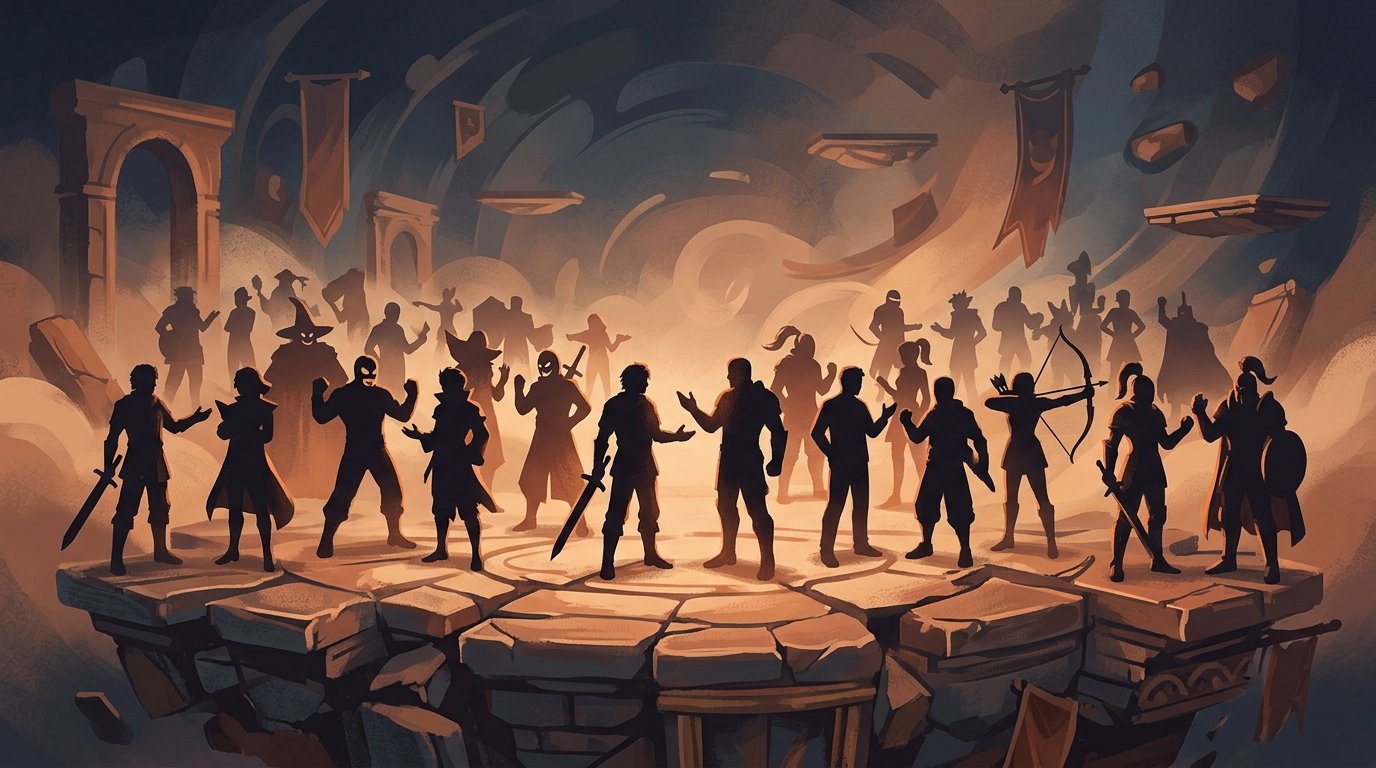
There's a thread on Smashboards called "Super Smash Bros. Legends" with redesigned stages, a roster of more than sixty fighters, brand-new game modes, and even a release date: November 2028. It has a concept trailer on YouTube. There's an entire fanon wiki dedicated to documenting every character, every trophy, every easter egg. The only thing it doesn't have is Nintendo behind it.
This isn't a leak. It's not even speculation grounded in patents or studio hiring — none of that. It's a fan project, made by fans, for fans, and that's exactly why it matters. Because the right question isn't "when does Smash 6 come out." It's: why does a community bother building, piece by piece, a game it knows it will never get to play?
## A genre with its own name
In the Smash world, the thing even has a label — they call it a "dream game" or "moveset thread," depending on which corner of the forum you're in. But the phenomenon is bigger than the franchise. It's existed in Pokémon forums for decades, with lists of new regionals nobody asked Game Freak for. It exists for Sonic, for Mario Kart, for pretty much any series with a fanbase obsessive enough to argue about character balance at one in the morning.
What sets the Smash case apart is the sheer scale of investment. We're not talking about a post with a list of names. We're talking about people drawing entire settings — "Smash City," an original stage invented from scratch — writing fictional reveal timelines with specific dates ("February 21: Marth, Mega Man, and the Original 12 are added"), organizing individual character pages with the same care Nintendo would put into an actual Direct. There are people writing changelogs for versions — "v1.1.0" — of a game that runs nowhere at all.
And here's the part most analyses of fan culture miss: this isn't creative laziness dressed up as tribute. It's unpaid editorial labor, done with a discipline plenty of professional teams would envy.
## The void Nintendo left — on purpose
Let's just say it plainly: Nintendo has never confirmed anything about a sixth mainline entry in the series after Ultimate. Not a word, officially. And, honestly, that silence isn't accidental — it's strategy. The company knows that the longer it keeps the mystery going, the more room it leaves for the community to fill the gap on its own, for free, with a level of enthusiasm no paid marketing campaign could buy.
Notice the pattern: Ultimate came out in 2018. It's 2026 now. Eight years have passed without direct confirmation of a sequel, and in that gap, the fanbase hasn't sat around waiting quietly — it's organized itself, built fanon wikis, produced concept art, argued over movesets for characters that will never touch a Switch. This is, at bottom, an audience-retention system Nintendo doesn't even have to manage. The community does that work for it.
I'm not saying it's calculated down to the last detail — that would give too much credit to a master plan that probably isn't formalized to that degree. But the practical outcome is the same, whether it was planned that way or not: official silence + obsessive community = perpetual engagement with zero production cost.
## Where this gets uncomfortable
There's a real problem in this equation, and it's this: the line between "fan imagining something" and "content passing itself off as information" is getting thinner. Just search "Super Smash Bros Legends" on Google and wiki pages come up with infoboxes formatted exactly like real games' — platform, publisher, release date, all laid out the same way you'd present an official announcement. A less attentive user, arriving via search or a news feed, could easily mistake this for a genuine leak.
And this isn't hypothetical anymore. Gaming "news" aggregator sites — many of them aggressively SEO-optimized, written in minutes, with zero verification — have already picked up dream game content and run it under deliberately ambiguous headlines like "Nintendo Confirms New Smash Bros?" purely to farm clicks. The original fan who spent months building their fanon wiki out of passion ends up, without meaning to, feeding a low-quality misinformation chain that has nothing to do with their intent.
## What this reveals about the industry itself
The most interesting part of all this might not even be about Nintendo. It's about what "content" has become in this industry. For years, the value of a fan project was measured by creativity — who drew better, who had the most original moveset ideas. Today, that same project carries an accidental SEO value: it shows up in search results, generates traffic, gets scraped by third-party sites, enters recommendation cycles like Discover and its equivalents — often without the original creator ever seeing a cent or even knowing it happened.
This turns the fan-creator, whether they want it or not, into a kind of raw-material supplier for a content economy that no longer draws a clean line between speculative fiction and factual journalism. And the worst part is that nobody in this chain — not the fan, not the aggregator, not the end reader — seems particularly bothered by it.
## Where that leaves us
Maybe the question isn't whether Nintendo will eventually announce a Smash 6. It's whether, when it does, it'll be able to compete with the version the community has already imagined, debated, and practically already "released" in the heads of thousands of people. Because there's already a roster of sixty-something characters out there, circulated, argued over, with favorites already picked — and the real game, whenever it shows up, will have to measure itself against that collective fantasy before anyone can judge it for what it actually is.
I don't know if that's cause for excitement or concern. Probably both at once.