Dwarf Fortress Creator Says the Games Industry Is 'In Shambles' Over AI and Layoffs
Sep 1st '26 7:41pm:
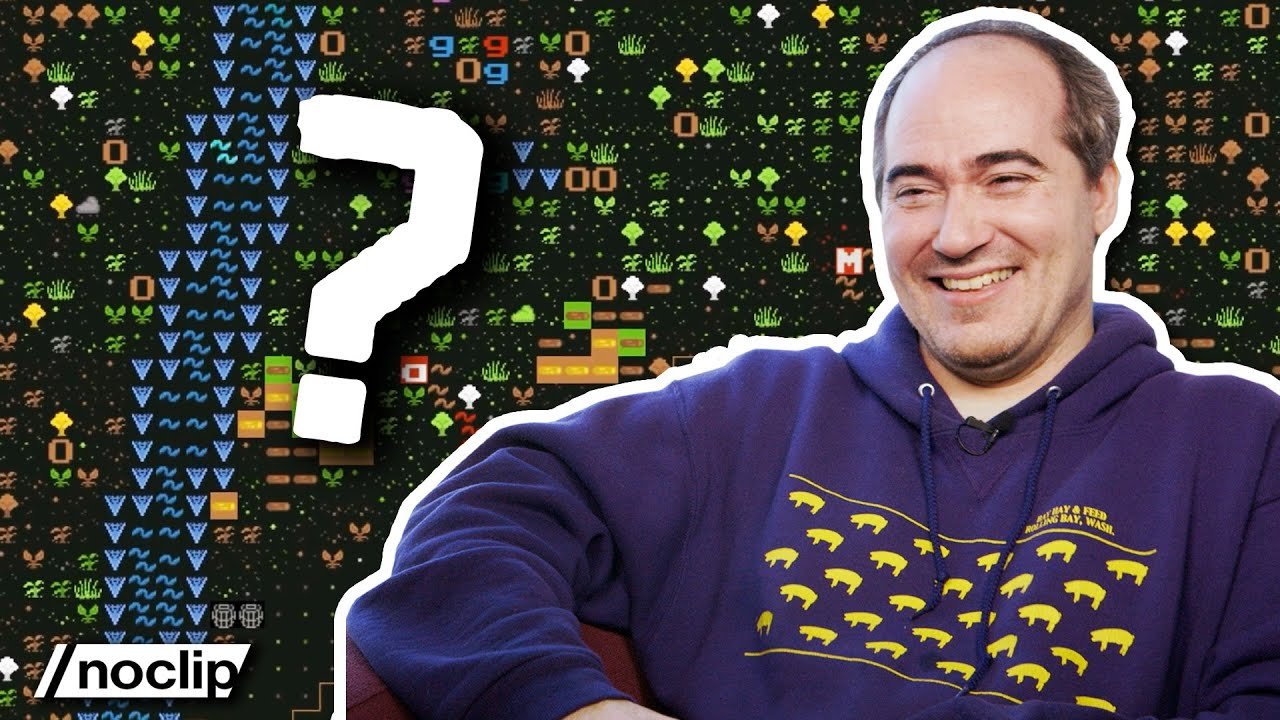
<br>There was a time when hearing the creator of Dwarf Fortress talk meant harmless nerdery, dwarf behavior, mineral taxonomy, or how a single cat could wipe out an entire army by accident. That's not quite what happened at Gamescom 2026. Tarn Adams, in a conversation with PC Gamer, decided to spare no one and went after what he called an industry in shambles, caught between AI-obsessed CEOs and a layoff culture that's lost any sense of restraint.
<br>The line that sums it all up is almost comical in how precise it is: he describes the dream of these executives as wanting a button a CEO can press, and out comes a game on the other end, with nobody actually working on it. And then, without softening it at all, he adds that this isn't going anywhere sustainable, that there's going to be a pop and a reckoning, and that the cycle will just repeat itself unless somebody changes course. Not exactly an optimistic forecast, but not an inaccurate one either.
<br>What makes the interview more interesting than usual is how Adams steps outside the games world to pull in a far more personal example. He talks about his dad, who worked at a sewage treatment plant and got laid off because management simply didn't understand what he did there. He was the "computer guy" of the place, and without him the company eventually stopped existing. The comparison isn't random: for Adams, the pattern is always the same, people at the top cutting what they don't understand and only realizing the mistake once it's too late, once there's no company left to fix.
<br>Then there's the bit about the psychosis, which has already made the rounds on social media a few times. According to him, the bosses of almost everyone he knows are slowly losing their minds, to the point of asking employees whether they used AI on their commits and threatening to swap them out for machines the moment they're even mildly unhappy with someone's work. You don't need to agree with the clinical diagnosis to get the point. There's something genuinely irrational about how certain executives talk about generative AI these days, as if it were simultaneously the salvation of productivity and a convenient excuse to cut costs.
<br>And this is where it's worth pausing for a second instead of just nodding along because the quote came from someone behind such a respected game. Adams is right to call out the fantasy of replacing entire teams with a magic button, that's a technical and creative contradiction at best. But he's also a bit of a special case himself: Dwarf Fortress grew for years as basically a solo project, him and his brother, no studio, no investors demanding quarterly growth. It's easy from that position to see generative AI as just another maneuver from managers who never actually knew what programming was. And he's probably right about plenty of those cases. Still, the industry isn't only made of giants run by out-of-touch CEOs, there are also small studios and indie devs using AI tools for tedious, repetitive tasks without that meaning anyone gets replaced.
<br>Even so, the core point holds up. This isn't the first time heavyweight industry voices have said something similar, The Talos Principle 3's writers called it a plagiarism machine that costs people their jobs, and the creator of the Dragon Age setting talked about a kind of collective delusion running through the executive class. When several independent voices, with no direct connection to each other, land on the same conclusion by different routes, that usually means it's not just nostalgic grumbling. Something is genuinely off in how the top of the decision chain is handling this technology, and Adams' comparison to a Dead Kennedys song, the same old crap recycled, sums up the general exhaustion pretty well.
<br>What's left hanging after reading all this is that nobody really knows how this cycle breaks. Layoffs keep happening, studios keep closing, and at the same time the industry's profits stay, on paper, obscenely high. Maybe the "pop and reckoning" Adams predicts is closer than it looks, or maybe this just drags on for a few more years before somebody, somewhere, decides that managing people and creative work isn't the same thing as pressing a button.