Rare PS1 Games: Which Ones Are Actually Worth Hunting For?
Aug 26th '26 5:08pm:
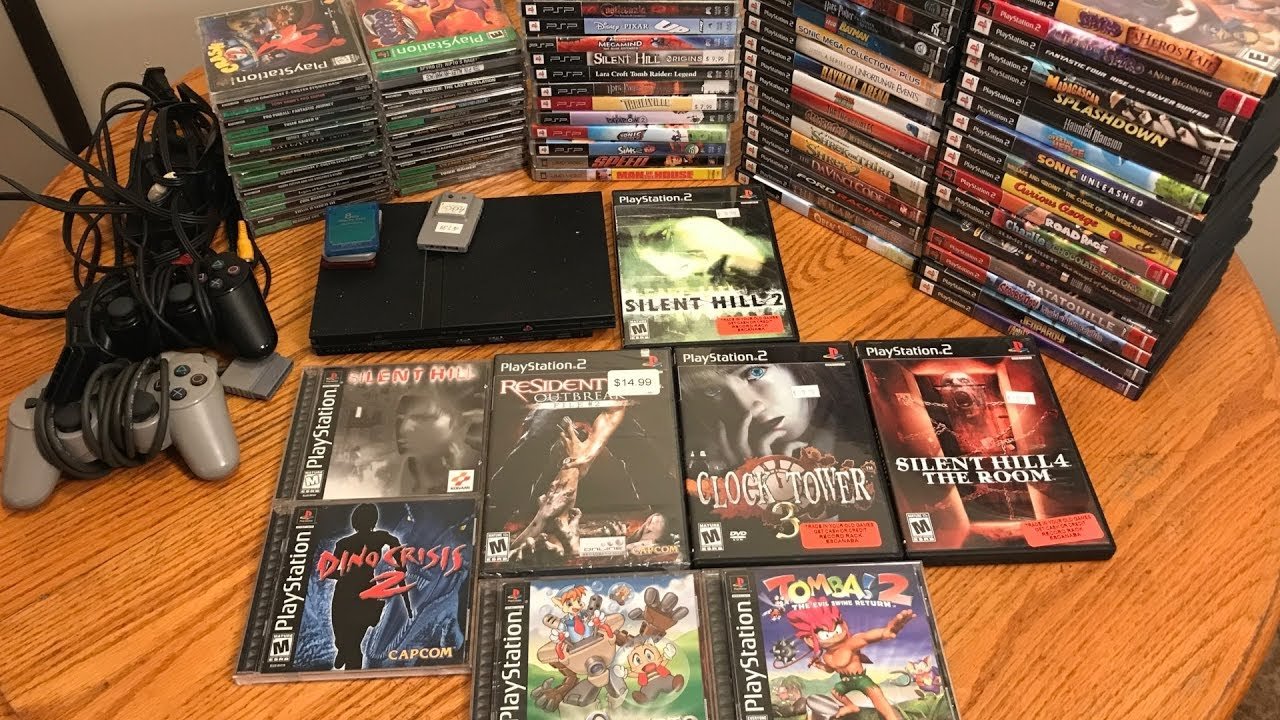
A few years ago, a forgotten box of PS1 games in someone's garage was just that, a forgotten box of games. Now it can be worth more than the console itself. It's not luck or collector nostalgia getting out of hand, it's the market finally catching up to something that was always true and nobody noticed: the PlayStation sold over 100 million units worldwide, but that says nothing about the value of any single game. It just means the console was common. The games had very different fates.
<br>The question most people are actually trying to answer when they search this is simple to state and hard to answer well: which titles to look for, and why does one cost five bucks while another, seemingly the same kind of game, costs three hundred. The short answer is low print runs plus late demand. The long answer is more interesting.
<br>A game becomes rare when few copies sold at the time, usually because it sold poorly, not because it was bad, and then years or decades later someone rediscovers it and demand spikes without supply catching up. That's basically it. Japanese RPGs are the textbook case: a lot of them never left Asia or the US because translating heavy dialogue into half a dozen European languages was too expensive for the expected return back then. They stayed locked to one market, and that market, decades later, became the only place collectors can actually look.
<br>And here's a detail people tend to ignore completely: the region you bought the game in changes the entire rarity list. An American list of "rare PS1 games" is mostly useless in Europe, or only partially useful. Tomba (called Tombi in the UK) is a good example, it's listed as one of the rarest and most expensive games in the UK and probably Europe overall, same goes for the original Gex from 1995. In the US that hierarchy looks different. So if you're digging through a swap meet over here and mentally comparing it to a PriceCharting list in dollars, you risk walking right past the exact copy that was worth grabbing.
<br>Okay, so what are the actual names that keep showing up on these lists. Suikoden II is basically guaranteed on any serious ranking, especially sealed. Klonoa: Door to Phantomile too, loose it runs around 160-something dollars, and climbs a lot for complete copies. Persona 2: Eternal Punishment gets brought up in the same breath, and the Persona series as a whole saw a value jump starting around 2020, coinciding, not by accident, with Persona 5's success pulling new fans back into the older entries. The Symphony of the Night soundtrack, for what it's worth, is almost as sought after as the game itself in certain circles, which is a little weird once you actually think about it.
<br>Then there's the category of obscure Japanese titles almost nobody outside collector circles has heard of, and they cost a ridiculous amount. A complete used copy of Yuuyami Doori Tankentai can easily go past 400 dollars, and sealed, if you ever find one, wouldn't be a shock to see it hit 800 or 1000. Serial Experiments Lain sits in roughly the same range. These aren't games you'll stumble on at a local flea market, but it's worth knowing they exist, because every so often a copy turns up where nobody expected one.
<br>Interestingly, there are also titles that were massive sellers at the time and are hard to find today, which kind of breaks the "only niche stuff gets rare" logic. PaRappa the Rapper and the original Silent Hill fall into that bucket, they sold well, but they just kept getting lost, scratched, dumped in bulk lots without care, and the supply shrank faster than you'd expect.
<br>Now, a point that matters more than the title itself half the time: condition and completeness. A loose copy of Suikoden II, no box, no manual, is worth a fraction of a complete one, and sealed can be worth a multiple of that, we're not talking a 20% difference, we're talking several times the value. Original box and manual heavily influence price, especially for serious collectors, and this is something a lot of people find out too late, after already selling their "rare game" without the box for a fraction of what it was worth. Before getting excited about a price you saw online, always check whether that number was for the loose version or the complete one. It changes everything.
<br>And prices, by the way, aren't stable like an old coin or a stamp. This market swings in ways that don't always make immediate sense. Final Fantasy VII had sealed copies going for over a thousand dollars fairly recently, then dropped significantly, landing pretty much at the same level as its cousins FF8 and FF9, without anyone having a solid explanation for the drop. Remake or sequel announcements mess with this too. A remake announcement can spike the original's value overnight, or, contrary to what you'd expect, make people prefer the remake and forget the classic entirely.
<br>There are also a couple of traps worth keeping in mind before spending real money on this stuff. "Sealed" copies going for four figures aren't always factory sealed, there's a whole resealing market out there, boxes carefully reopened and reglued to look untouched, and it's common enough that a suspiciously perfect seal on a thirty-year-old game should make you pause. Then there's the confusion between the standard release, called black label in the US, and the cheap "Greatest Hits" reprint, same game, different covers, wildly different values, and in a badly lit photo it's easy to mix them up. And prices you find online vary a lot depending on the source, an aggregator like PriceCharting shows steadier averages, but a real eBay auction can spike well above that when two collectors decide to compete out of pure stubbornness, which happens more often than you'd think.
<br>Next time you're at a swap meet, a used game shop, or that forgotten box in someone's garage, these names, and especially the PAL versus US difference, tend to be what separates walking past something good from actually recognizing it in time.