The magazines that used to tell you which games were worth your money
Aug 21st '26 7:21am:
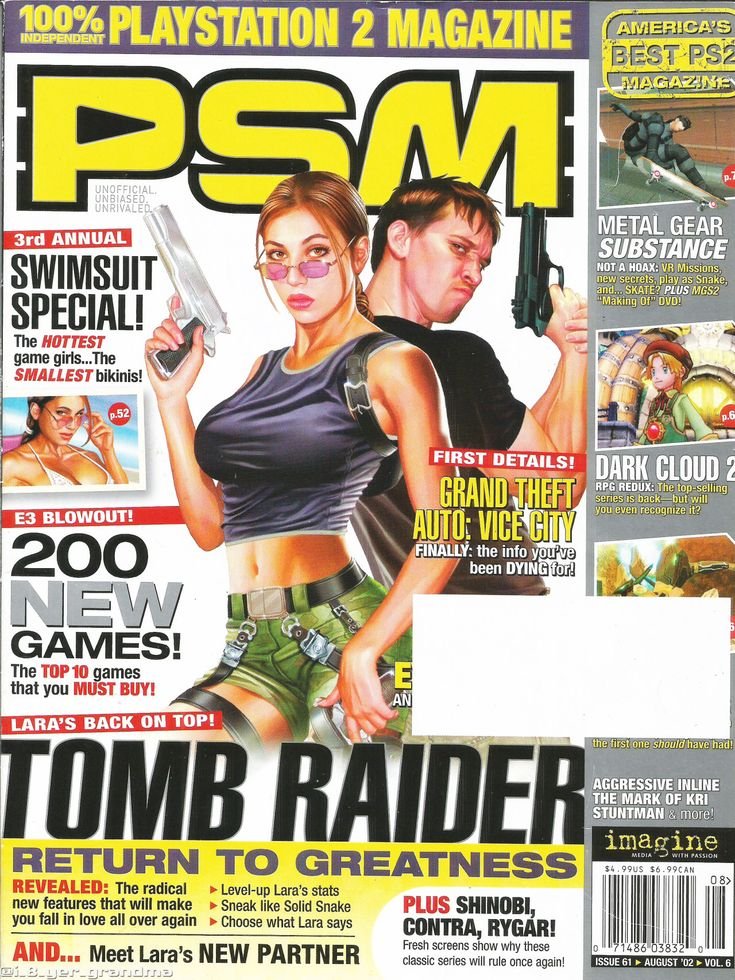
There was a time when knowing whether a game was worth buying meant walking to a newsstand, flipping through EGM or GamePro, and trusting a number out of ten written by someone who'd played the final build weeks before anyone else got near it. That's gone now. Not overnight, though not exactly slow either — it was a bleed that started around 2008 and by 2015 had wiped out pretty much the entire print gaming press in the West. And the interesting part isn't just that they closed. It's why they closed in the order they did, and what actually survived once the dust settled.
<BR>The lazy explanation is always "the internet killed print." Not wrong, just too short to explain the timing. What really happened was three things hitting at once: print advertising drying up because game publishers would rather put money into banner ads and then into YouTube, YouTube and livestreams putting out reviews and gameplay before the magazine had even gone to the printer, and on top of all that the 2008 financial crisis forcing everyone to slash marketing budgets. A monthly magazine is already too slow for a world that wants information on embargo day, or earlier. Three fronts at once, not one clean cause you can point to.
<br>EGM is probably the name that comes up most in these conversations, and fairly so — it shut down in 2009 after years of being close to an institution in the US. It came back in 2010, online this time, but with almost the entire original staff either laid off or replaced, and that second life didn't last either. Closed again. The name kept resurfacing every so often, people trying to revive the brand, but it never became what it had been. Future plc, which owns roughly half the gaming magazines anyone my age grew up reading, shut down dozens of titles in the UK alone between 2013 and 2015. Dozens. Not one magazine here and there — an entire catalog disappearing in a short window.
<br>If there's one case that usually gets told wrong, it's Nintendo Power. It ran from 1988 to 2012, twenty-four years, which is basically a full lifetime for a gaming publication. And the story people tell is always the same one: "died from readers leaving, like all the rest." That's not quite what happened. Nintendo Power was run directly by Nintendo itself — not an independent magazine covering the company from the outside, the company publishing its own magazine. In the later years, the physical production was handled by Future US, under contract. And it was that contract Nintendo chose not to renew. So the end of Nintendo Power was a business decision made by Nintendo, not a market collapse the way it happened to EGM or GamePro. That distinction changes how you read everything else about it — this wasn't an independent magazine losing a race against the internet, this was a publisher deciding to stop paying to keep its own newsletter running.
<br>GamePro and Official PlayStation Magazine follow a different pattern, and it's one that repeats often enough to be worth naming on its own: print gets cut first, the website survives with a smaller team for one to three years, then everything closes. GamePro stopped its print edition in 2011 and the site limped along until 2013. OPM in the US closed in 2013; the UK version hung on longer, because Future managed to hold onto a loyal European subscriber base that simply didn't exist the same way in the more fragmented, free-site-heavy American market. This matters because a lot of people treat "the magazine closed" and "the website closed" as the same event, and they're not — there's often a gap of years where the brand stayed alive with a fraction of the staff, and, almost always, editorial quality that looked pretty different from the print era.
<br>Then there's Edge, which is the example everyone gets wrong. Edge still publishes in print today, still under Future plc, and that feeds the idea that "gaming magazines can still work, you just have to do it right." That's not really the lesson here. Edge survives because it never tried to be a mass-market magazine — high price, small print run, deliberately premium and collectible, almost more of an object to keep than something you toss after reading. It's a luxury niche that found its audience and stayed there. It's not proof that the old model, the EGM or GamePro model, was viable. If anything it proves the opposite — the only ones still standing are the ones who stopped trying to compete in that model at all.
<br>Two names come up less in the mainstream version of this story, worth mentioning if you want a different angle. GameFan, running from 1992 to 2000, got known for writing that was irreverent, almost combative at times, and for covering Japanese imports way more heavily than anyone else at a point when finding that stuff anywhere else was genuinely hard. You can trace its influence into a bunch of niche sites that showed up later, the same opinionated, less institutional tone. Next Generation went the other direction between 1995 and 2002 — more analytical, aimed more at the industry side than the consumer, closer in register to something like GamesIndustry.biz today than to any newsstand title.
<br>What's left of all this is scattered across three places, and none of them is a formal museum. First is the Internet Archive, which holds nearly complete runs of EGM, Nintendo Power, GamePro, Computer Gaming World — digitized almost entirely by fan communities, not by the publishers themselves, who in most cases never bothered preserving their own archive. Second is just how many people who built careers in these newsrooms are still working in games today, whether as go-to critics, podcast producers, or somewhere inside the industry itself — it's genuinely common to read a bio and see "started at EGM" or "started at GameFan" as the origin point. Third, and maybe the least visible one, is the format itself: the numbered review score, the pre-launch hands-on preview, the letters-and-rumors section — almost all of it migrated nearly intact into gaming websites and then, again nearly intact, into YouTube and podcasts. Nobody invented the game review format from scratch in 2015. It was already there, inherited from these magazines.
<br>Worth being careful with two things before repeating any numbers on this topic. First, don't treat the magazine closing and the website closing as the same moment — there's often a gap of years between them, and staff and quality shift a lot in that window. Second, don't take circulation numbers at face value and repeat them as fact. That number that always shows up, something like "EGM had over 500,000 subscribers at its peak in the 90s," almost always traces back to the publisher's own promotional material, not an independent audit like ABC or BPA. Not saying it's false — saying it's a promotional estimate, and it's worth treating it as one instead of citing it like verified data.