Was Resident Evil Requiem's Hype Just Marketing? What the Data Actually Shows
Aug 19th '26 9:29am:
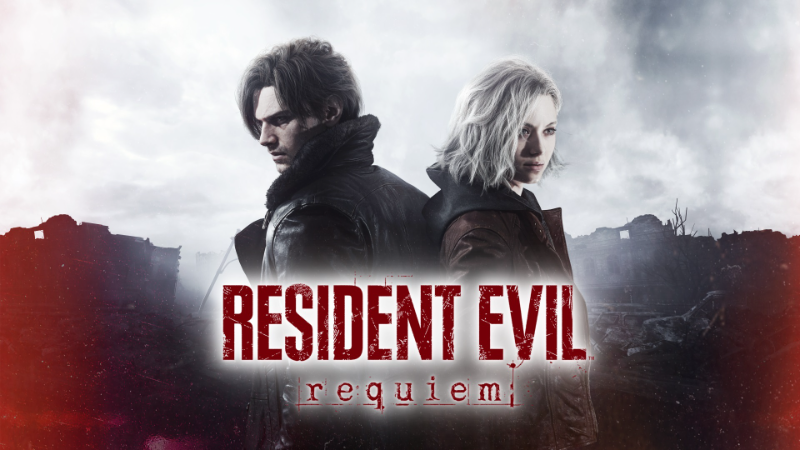
When Capcom revealed Leon Kennedy as the second playable character at The Game Awards in December 2025, the gaming internet stopped for a good few minutes. It was the most-watched trailer of the night, beating out announcements that had already been teased for months. By that point, Resident Evil Requiem was already sitting at second place among the most anticipated games of 2026, behind only GTA VI, based on combined data from Steam wishlists, social engagement, and trailer views. That's a lot of weight for a single reveal to carry, and that's where the question starts to make sense: was all that anticipation built on substance, or on a very well-executed marketing campaign?
<br>It's worth explaining how that campaign actually worked first, because it was anything but linear. TechRadar went as far as describing Requiem's promotional cycle as strange, almost erratic. Long stretches of near-total silence followed by calculated bursts of information. Shortly before The Game Awards, for instance, Capcom dropped new Grace Ashcroft gameplay straight onto Japanese TV with zero prior warning for Western audiences, which meant most of the international community found out through reposted clips and screenshots. That kind of decision frustrates fans in the short term, but it also feeds the sense that something big is happening behind the scenes, even when not much new information is actually being revealed.
## Capitalize on nostalgia, minimize the risk
Starting in January 2026, the strategy shifted gears. There was the Resident Evil Showcase, a thirteen-minute stream detailing the gameplay differences between Grace and Leon in the Rhodes Hill section, and shortly after, Capcom invited major outlets and content creators to try three hours of hands-on gameplay, one with Leon and two with Grace. Impressions went live in late January and, somewhat predictably, came back overwhelmingly positive, which is normal for controlled hands-on events but also raises the question of how much these early, curated impressions shape the narrative before anyone outside the press circle gets their hands on the final product.
<br>This is perhaps the most interesting trait of the whole campaign: Capcom stepped out of its usual PlayStation-centric comfort zone and spread itself across every major stage available. Summer Game Fest, Nintendo Direct, Sony's digital showcases, plus partnerships that have nothing to do with games at all, like Nvidia, Porsche, Hamilton watches, and even a Fortnite crossover. That's pure brand work, the kind that doesn't change a single line of the actual gameplay experience but guarantees constant presence in feeds and conversations that aren't even about games half the time. One NeoGAF user summed up the general sentiment well, saying Capcom has quietly become the best game promoter of this generation, with a release cadence and marketing aggressiveness few other publishers can match.
## Sales numbers don't lie, but the reviews tell a messier story
Here's where the "it was all smoke" narrative gets complicated: post-launch numbers didn't collapse the way empty hype usually does. Requiem sold five million copies in under a week, compared to the three months it took the Resident Evil 4 remake to hit the same mark. On Steam, peak concurrent players topped 344,000, double the franchise's previous record. Two months after launch, sales had already climbed to seven million units, a number that pushed Capcom's profit up in a way any financial analyst would call a real result, not fleeting hype. Games that live purely on manipulated expectation generally don't sustain that kind of trajectory once players actually have the product in hand.
<br>Critics followed along too, though without quite repeating the RE4 remake phenomenon. An 88 Metascore across 111 reviews puts Requiem above both Village and the original Biohazard, while still trailing the classic RE4 and its remake. Early reviews praised the contrast between Grace's pure survival horror segments and Leon's more spectacular, action-driven combat, a combination that, according to much of the specialized press, worked better than the initial skepticism from fans suggested. Some have argued Capcom essentially delivered a satisfying Leon trilogy without ever calling it one, since RE2, RE4, and now Requiem form an arc that makes complete sense for anyone who's followed the character from the start.
<br>But not everything landed as cleanly, and this is exactly where a more balanced argument about marketing's real role comes in. On the technical side, the PC version suffered from microstutters and crashes that much of the community pinned on Denuvo, though a problematic Nvidia driver also took part of the blame before being rolled back. On the narrative side, discussions across Steam Community forums show plenty of fans frustrated with story decisions, retcons considered weak, and a MacGuffin that forces a return to Raccoon City seemingly just to justify reused RE2 Remake assets and lean into the franchise's 30th anniversary nostalgia, which landed right in that March 2026 window. There are also complaints about a lack of replay value, something that's always been somewhat thin across the series but used to be offset by dodge systems and speedrun routes that Requiem simply doesn't offer to the same degree.
<br>One separate incident, but one that says a lot about how hype also shapes coverage itself, was the controversy around a fully AI-written review published by Videogamer.com right after launch. The backlash was severe enough that the site ended up removed from Metacritic entirely. That doesn't change anything about the game's actual quality, but it does show how much pressure to cover a hyped launch quickly can push outlets toward questionable editorial decisions, a parallel but connected problem to the hype discussion: when everyone needs to publish before everyone else, review integrity becomes collateral damage.
<br>So, back to the original question. Can we say Resident Evil Requiem's hype was all marketing? Not exactly, but it would also be naive to say it was all merit. What seems closer to the truth is that Capcom used a finely tuned promotional machine to amplify something that already had a solid foundation behind it, a beloved character, a studio coming off a string of well-received titles, and a release window practically free of direct competition in early 2026. Marketing didn't invent interest out of thin air, it took interest that already existed in a latent form and gave it shape, rhythm, and global visibility. Where marketing actually failed to paper over the cracks was precisely in the details that only show up once the player is past the title screen: the short runtime, some shaky story decisions, the PC-side technical issues. That's exactly where the gap between the expectation sold and the experience delivered becomes most visible, and maybe that's exactly where any honest take on this launch should focus.