10 Video Game Endings So Shocking Players Still Can't Stop Talking About Them
Aug 14th '26 7:55pm:
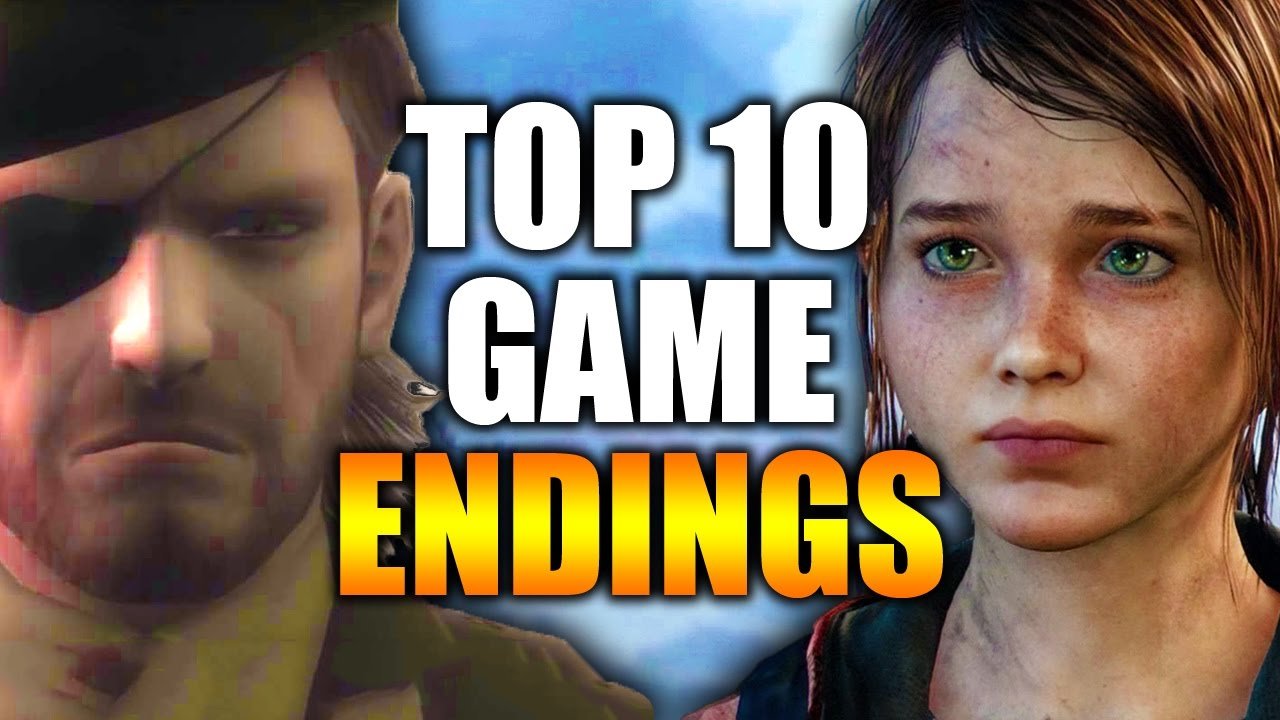
There's a specific kind of silence only gamers know. Not the silence of a movie ending and the lights coming back on. Something else. Sitting there, controller still in your hand, watching the credits roll, not quite sure if what you just saw actually happened. I remember telling a friend "you have no idea what's coming" and, weeks later, getting a text back that was just capital letters. Nothing else. That's roughly the kind of ending I want to talk about here.
<br>Fair warning: this is full of spoilers, there's no way around that when you're talking about endings. If you haven't played some of these yet, maybe skip that part and come back later. You'll thank yourself.
<br>And — shocking here doesn't just mean sad or violent, or not only that. Some of these endings shock because they rewrite everything you thought you knew about the game up to that point. Others because they force you to look at your own choices in a way that isn't always comfortable. The order is mine, disagree in the comments if you want, that's what a list like this is for anyway.
<br>Starting with Mass Effect 3, which honestly stands apart. It doesn't shock because of the story itself, it shocks because of the reaction it caused. Two whole trilogies built around the idea that your choices mattered, and in the end, three options that changed little more than the color of an explosion in the sky. The community reacted so badly that BioWare ended up releasing a free Extended Cut months later. Not the best-written ending on this list. Not even close. But maybe the one that caused the most collective, most documented shock this industry has ever seen.
<br>Undertale is a different case. Play it peacefully and the ending is bittersweet, almost comforting. The shock only shows up if you go for the genocide route — and the game remembers, in a way that feels almost cruel. Characters start commenting on things you did earlier. The creator of the universe itself talks to you, not the character, you, the player, on the other side of the screen. Strange feeling, being judged by something that knows exactly what you've been up to.
<br>God of War, 2018. After an entire game about a father trying not to repeat his own mistakes, the credits reveal the real name Atreus had been hiding the whole time: Loki. It's not shocking in a violent sense, it's shocking in scale. Suddenly you realize you were only in the prologue of something much bigger than you thought.
<br>Snake Eater. The Boss isn't just a villain, she's the one who trained Naked Snake into the soldier he becomes. The game makes you, controller literally in your hand, pull the trigger on her, in a scene that refuses to rush. Only afterward do you understand — she was following orders, sacrificing her own reputation for a country that was going to forget her on purpose. That strange aftertaste stays with you, having done the right thing and feeling terrible about it anyway.
<br>Then there's Red Dead Redemption 2, which is a case apart because it doesn't even hide what's coming. Early on you can already tell Arthur Morgan isn't walking away from this. No mystery, no hidden twist. Still. Even knowing, when the moment comes, it's hard to sit through it without something tightening in your throat. I think the shock here doesn't come from surprise, it comes from execution — the game gives you time, small conversations, some random sunset, before taking everything away at once.
<br>The Last of Us Part II. Most of the shock isn't in one scene, it's in the whole structure of the second half — making you play as Abby, the person responsible for the death that opens the game, and forcing you to live her perspective as if it were your own. A lot of people hated that at the time. A lot of people changed their minds months later, funny how that works. The ending, with Ellie trying to forgive without really being able to move on, refuses to give the satisfying revenge the rest of the story seemed to promise earlier.
<br>NieR: Automata asks something odd of you at the end. Reaching the so-called Ending E is already a journey in itself — but then the game asks you to delete your own data, your progress, to help other players, strangers, somewhere in the world, get through an impossible bullet-hell sequence. A game about existence and meaning asking you to sacrifice your own effort for people you'll never meet. Few endings turn game mechanics into philosophy that directly.
<br>Silent Hill 2 I put near the top, honestly. James says he came to Silent Hill looking for his dead wife, Mary, who wrote him a letter. Throughout the game there are clues, more and more obvious, that the story doesn't add up. And the ending reveals it — James himself killed her, drowned her, unable to keep caring for her while she was sick. The game never shouts this. It lets you figure it out slowly, through symbols, through the creatures' strange behavior. One of the first games to use its own design as a storytelling tool, and it's still studied for that reason today.
<br>BioShock and that "would you kindly" nobody forgets once they hear the explanation. You spend the whole game following a voice on the radio, always preceded by that phrase before the orders. Only near the end do you realize it's literally a hypnotic trigger implanted in you, that you never had a choice, that every decision you thought was yours was pure manipulation. One of the first games to turn the "follow the map marker" mechanic against the player itself. Still think this is brilliant, even this many years later.
<br>And at the top, for me, Spec Ops: The Line. Because the ending doesn't even feel like a game ending, it feels like a direct accusation aimed at whoever's on the other side of the screen. A whole campaign leading you, step by step, into doing worse and worse things in the name of "saving" Dubai — including a white phosphorus scene that's still heavy to watch today — and then the game turns on you. Asks if you still feel like a hero. No victory in the end feels right. None.
<br>Writing this made me think of something. The endings that really stick aren't the most violent or the saddest on their own, they're the ones that mess with how you look at what you did throughout the game. Some punish you. Others give you something bittersweet and unresolved. Others just refuse to hand you the easy answer you were waiting for after all those hours.
<br>Probably left one out that deserved a spot, I bet I did. And I bet you'll disagree with the order too — tell me in the comments which one of these left you quiet the longest after the credits rolled.