Highguard Lost 90% of Players in 20 Hours — Dead in 45 Days
Jul 28th '26 7:25am:
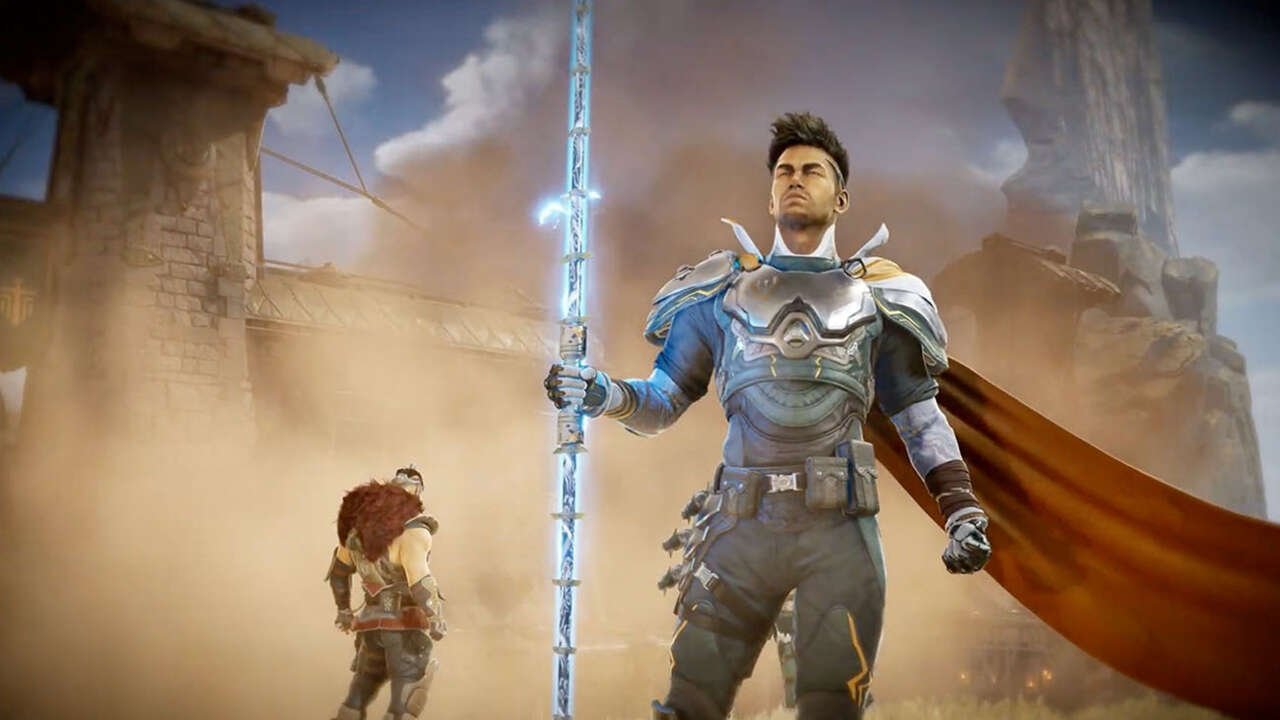
Highguard had every chance to be just another forgettable hero shooter lost in the crowd, but it managed to stand out for all the wrong reasons. Back in January this year Wildlight Entertainment launched the game with the usual fanfare, pretty trailers, promises of a fantasy and sci-fi mashup, small teams clashing in fast paced combat. On paper it looked functional enough. In practice, less than 20 hours after launch the game had already lost 90% of its players. That's not an exaggeration, it's the actual number, and honestly I can't think of another recent title that collapsed this fast.
What happened next was almost a textbook case of how a studio sinks. February came and Wildlight lost its main investor, probably the one funding most of the project. Layoffs followed right after, and you can imagine the mood inside the studio after months of work thrown away in a matter of days. Then in March, on the 12th to be exact, the servers were shut down for good. 45 days total between launch and the end. No offline mode, no way to keep playing solo, so anyone who bought the game was left with basically a dead icon sitting in their Steam library or console.
That offline mode detail is something the community always gets heated about, and fair enough. Live-service games are already a gamble on their own, you're paying for something that depends on servers staying up, but when there isn't even a single-player version left once everything comes down, the player just loses what they paid for. It's not the first time this has happened, sure, but the speed of Highguard's collapse made it all more obvious.
It's also hard not to compare it to Concord, that Sony fiasco from 2024 that cost around 400 million dollars and closed its doors in just two weeks. Highguard didn't quite beat that record, but it came close, and the hero shooter market was already saturated well before this. Overwatch is still around, Marvel Rivals grabbed space fast, and launching yet another competitor without a strong hook feels, from the outside, almost like an invitation for failure.
If there's a clean lesson to take from all this, it's that the industry keeps repeating the same mistake. Launch an expensive game, in a crowded genre, without a loyal community already in place, and expect players to show up just because the trailer looked nice. Highguard is going to end up on the list of case studies about why games die fast, right next to Concord and the rest. Whether any studio will actually pay attention next time, or whether in a few months we'll be writing about another name on the same list, remains to be seen.