Why Your Game Tutorial Is Secretly Pushing Players Away
Jul 9th '26 6:46pm:
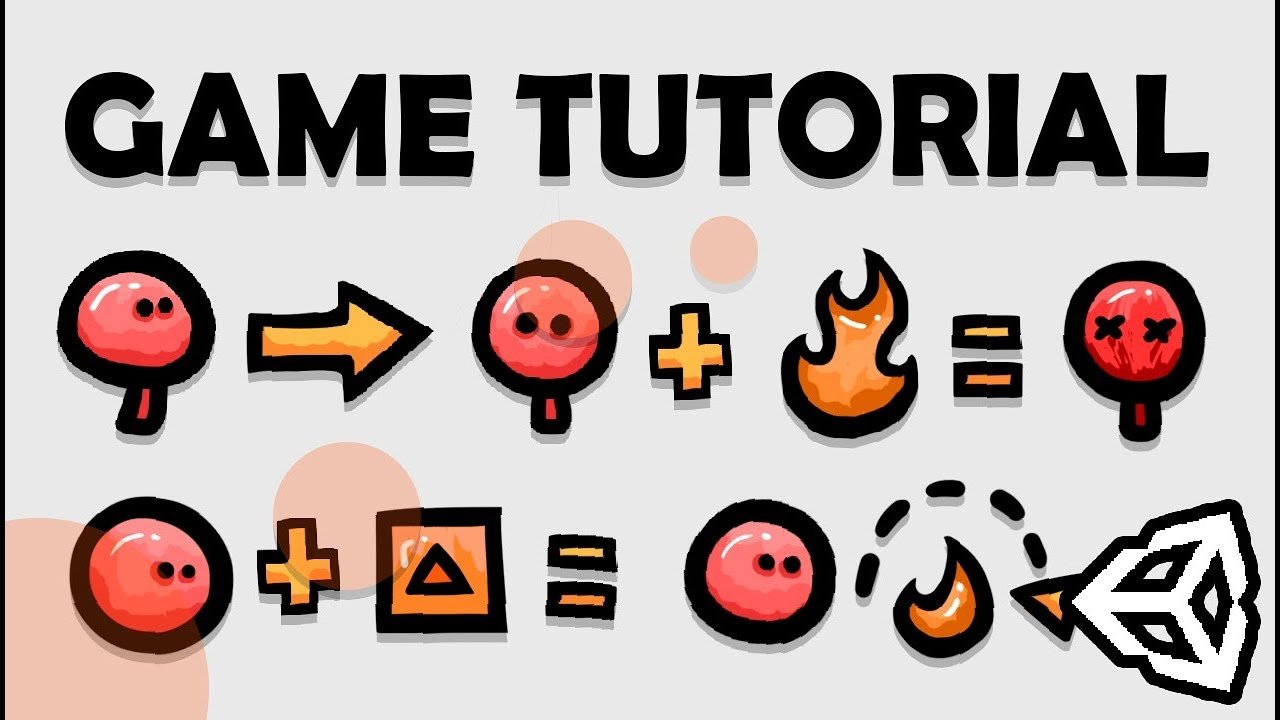
Most tutorials are garbage, and that's not really an opinion, it's close to a statistic. It's not because designers aren't trying, far from it. It's because almost everyone confuses teaching with stopping the player from actually playing. Think about the last time you opened a new game and the first half hour was a string of text boxes, an NPC explaining mechanics you hadn't even seen in action yet, a "Next" button you mashed fifteen times just to reach the main menu. That's not a tutorial. That's a barrier wearing a good intention as a costume.
The root problem, I think, is that most tutorials treat the player like someone who needs to read a manual before touching anything. But nobody learns to ride a bike by reading about balance. You learn by falling, adjusting, feeling your weight shift to one side. A game should work more or less like that, except it almost never does.
Why does this happen so often? In most studios, everyone knows they need a tutorial, but almost nobody treats it as part of the actual design. It's the last thing built, usually by a small, tired team, after the rest of the game is basically locked. The result is predictable, a system glued on top of the main experience instead of stitched inside it. Then there's the overconfidence in information: the people who made the game know it inside out and forget what it's like to be a stranger in there. So they dump everything at once, because "the player needs to know this," except nobody retains ten mechanics explained back to back without ever using a single one.
A good tutorial does the opposite. It teaches by doing, not by explaining. It gives you a simple situation, lets you try, and only steps in if you genuinely mess up. The classic opening level of any decent platformer is a good example, a closed-off space where it's physically impossible not to learn how to jump, because the level layout itself forces you to try. There's no text there at all. There's intent baked into the layout, which honestly is harder to pull off than writing an explanatory paragraph.
Another thing that separates the good from the bad is timing. A mechanic should be taught right when you're about to need it, never much earlier. If you learn to parry three hours before you face the first enemy that actually demands it, you've forgotten how by then, trust me. Context is what locks information in, not repeating the right button on screen.
There's also the ratio between friction and reward, which sounds obvious but keeps getting ignored anyway. A good tutorial lets you fail, but the failure teaches something and the cost of failing is low. A bad tutorial either doesn't let you fail at all, which drains any tension out of the experience, or punishes so hard that curiosity dies right at the start. And then there's respect for the player's prior experience, another thing almost nobody gets right. Games that assume you're the first person to ever hold a controller treat veterans like beginners, and that gets old fast. The best onboarding systems can read the player's pace, or at least let you skip the obvious stuff without making a fuss about it.
Maybe the most common mistake, the one almost nobody fixes, is confusing "tutorial" with "ongoing onboarding." A good game doesn't stop teaching after the first twenty minutes. It keeps layering in new systems as the player grows into the game. FromSoftware games are an interesting case here, they barely have a formal tutorial in the traditional sense, but the level design itself teaches through direct consequence. You messed up, you died, and by that point you already understood why, without anyone explaining a thing. That's teaching in its rawest form. Not a single dialogue box involved.
If you think about it for a second, this isn't unique to games at all. Any new product, course, or even an online community runs into the same wall. People don't learn to use something by reading a welcome manual packed with text, they learn by doing, with minimal friction, at the right moment, with room to fail without paying too high a price for it. That's basically the challenge of any new platform, getting someone from "I don't really know what this is" to "I'm just using this without thinking about it," without the person feeling like they're reading an instruction manual instead of just being inside the thing.
In the end, the difference between a bad tutorial and a good one was never really about how much information you give. It was always about trusting the player, or the user, to learn through their own actions. A bad tutorial protects itself from the other person's mistakes. A good one turns the mistake into learning, and that's where you can actually tell, in that shift from lost stranger to player who already knows what they're doing, who understands design and who's just checking boxes.