The Slow, Quiet Death of the Arcade Nobody Noticed
Jul 7th '26 7:58am:
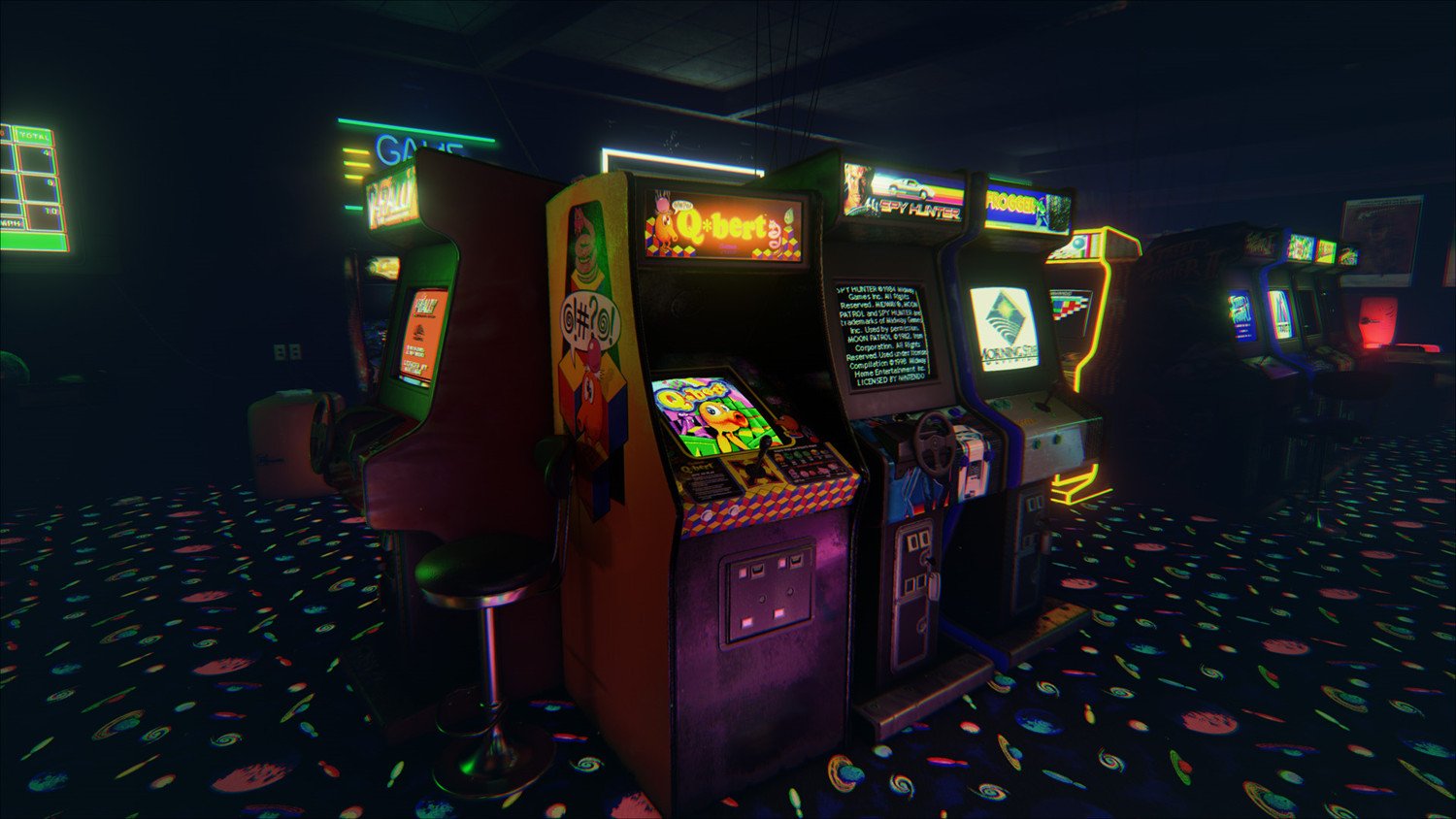
I keep thinking about how arcades disappeared without anyone really announcing it. There wasn't a specific day, no headline, nothing like that. One day the arcade at the mall just wasn't there anymore. I think the reason is pretty simple when you think about it: consoles got good, PCs got cheap, then phones showed up, and playing at home stopped being the lesser version of the experience. It became the whole experience. The coin just lost to the couch, basically.
But it wasn't always like that, obviously. Before the 70s, playing video games was basically a university lab thing, almost nobody had access. That changed when Atari released Pong in 72, a pretty crude tennis game by today's standards, and it caught on in bars and diners across the US in a way nobody really expected. It didn't take long for someone to realize you could build an entire business around this: a machine, a coin, and a steady stream of people willing to pay for a few minutes of play.
That's more or less how the dedicated venues were born. Arcades, or fliperamas as we call them here in Brazil. Game halls or arcades elsewhere. The name changes, the idea stays the same: a loud space, full of light, people lined up waiting their turn on the busiest machine.
The peak was somewhere between the late 70s and the 80s. Space Invaders, Pac-Man, Donkey Kong, Street Fighter II later on. These games weren't just entertainment, they became actual phenomena. There's a story (never confirmed if it's 100% accurate, but it gets repeated a lot) that Pac-Man alone generated so many coins in circulation in the US that some cities ran short on change. Sounds like an exaggeration, but it gives you a sense of how big that thing was back then.
And it wasn't just about playing well. There was a social hierarchy in there that seems silly now but mattered a lot at the time. Whoever beat the hardest game, whoever put their initials at the top of the scoreboard, that defined a certain status among regulars. Honestly, that's where a lot of people learned to lose with at least some dignity too, cheering for a friend to break their own record.
The business model was simple. A coin per game, a machine that was relatively cheap to maintain, and an almost endless customer base because barely anyone had a console at home to compete with that.
The cracks actually started from inside the industry itself. Back in 83 there was that collapse in the American video game market, caused by too many bad games flooding a saturated console market. Arcades survived that first scare, partly because they still delivered a technically superior experience to anything a home console could offer at the time.
But that edge kept shrinking, year after year. The NES, then the Super Nintendo, the Genesis, later PlayStation, each console generation made arcades a little less special, technically speaking.
The final blow, I think, came from a mix of things throughout the 90s and 2000s. Home consoles reached graphics quality close to arcade level. PCs became affordable and could run increasingly sophisticated games. The internet arrived bringing online multiplayer, so you could compete and socialize without leaving your room. Add rising commercial rent on top of that while revenue per machine kept dropping, since fewer and fewer people wanted to spend coins on something they could play for free, or close to it, at home. A lot of arcades simply couldn't make the numbers work anymore and shut down.
Phones gave the final push, in my view. Once anyone could carry a game in their pocket, leaving the house and paying per play stopped making sense for younger generations.
Even so, it never fully disappeared. There are barcades now, bars mixing classic machines with beer, pulling in both nostalgia from people who lived through that era and curiosity from people who didn't. There are collectors keeping original machines running, restored almost by hand. Conventions and museums preserving rare cabinets as historical pieces, not just tech curiosities. And there are some reinvented arcades popping up in malls, more geared toward families and prizes than serious competition.
The legacy goes beyond the machines themselves, honestly. Leaderboards, charismatic characters designed to sell the experience in seconds, the whole idea of games as a social and competitive event, all of that was born there. A lot of today's popular genres, fighting games, shooters, trace directly back to those loud machines in the mall.
In the end I think this story says a lot more about behavior than about technology itself. While playing at home was limited, people went out looking for the best experience available. Once that experience fit in a pocket, the street lost to the couch. What's left is the nostalgia of a stack of coins worth hours of fun and a bunch of silly rivalries built around a screen and a joystick.