Can One Controller Rule Them All? The Hidden Technology Behind Connecting Modern Gamepads to Classic
Feb 3rd '26 5:31pm:
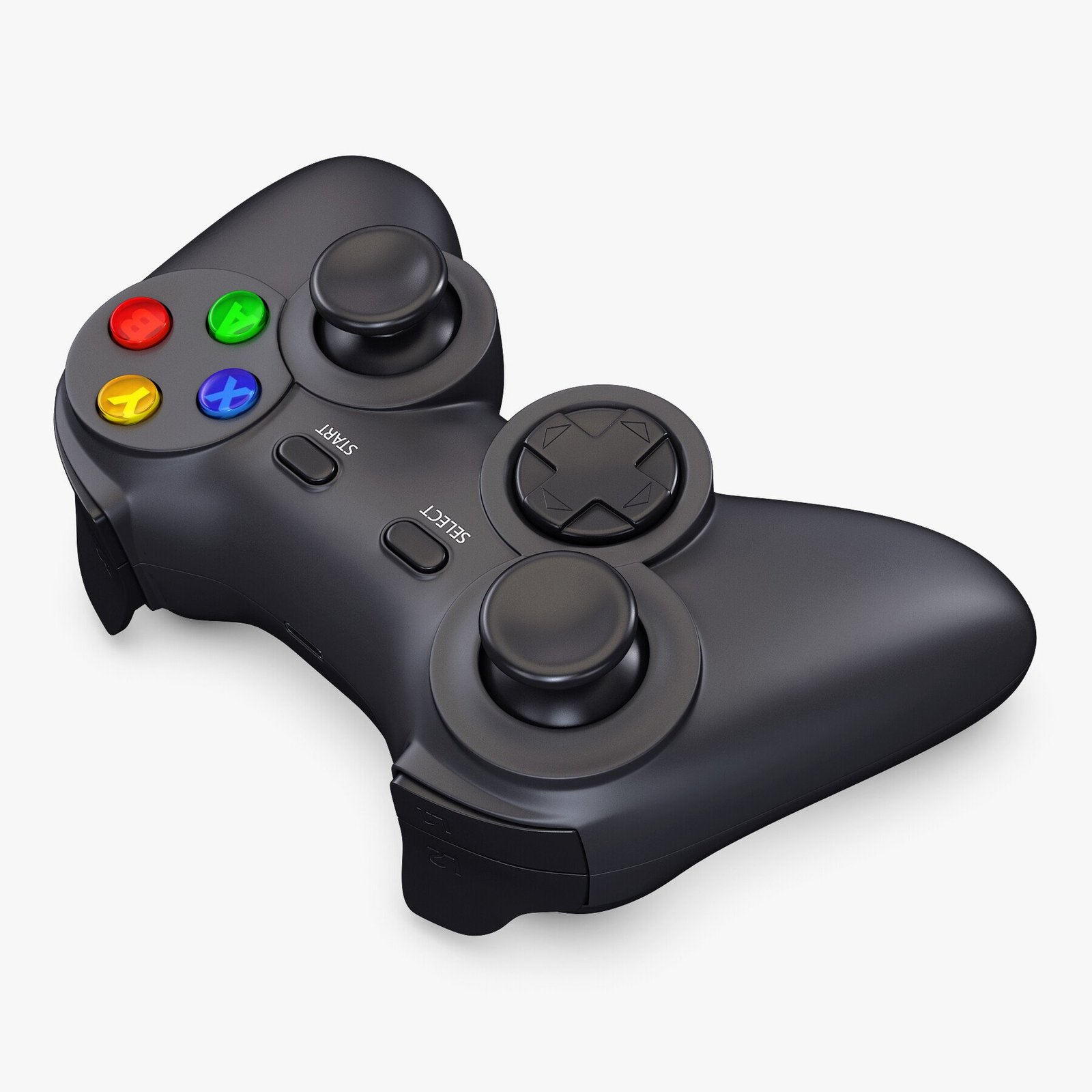
<span style='color:green;'>When</span> we talk about “generic controllers” and “old consoles”, we are really talking about two technological eras that were built with very different goals and standards. In the 1970s and 1980s, each manufacturer designed its own way of connecting a joystick or gamepad to a console. This meant that systems like the Atari 2600 or the Commodore 64 relied on what became known as the Atari joystick port, a 9-pin D-sub connector that turned into an informal standard across several machines of that time. Because of this shared physical and electrical design, classic controllers such as the Atari CX40 ended up working on multiple systems, even without any official cross-brand standardization. In many cases, simple electronic adapters were enough, thanks to how similar those ports were in practice.
Things become far more complex when the goal is to connect a modern generic controller, the kind that works on a PC or contemporary consoles, to an old videogame system with proprietary connectors. These older consoles have no understanding of USB or Bluetooth the way modern hardware does. They expect very simple electrical signals, such as a closed circuit for a button press or a directional input, delivered in a specific format defined decades ago. A modern adapter therefore has to do much more than just fit the plug. It needs to translate signals, sometimes adjust voltage levels, and often interpret communication protocols that the console was designed to receive.
This signal translation is exactly what more advanced adapters are built to do. There are commercial products capable of converting inputs from modern controllers, whether USB or wireless, into signals that older consoles can recognize. Some adapters allow modern gamepads to be used on the original PlayStation or PlayStation 2, offering features like button remapping and turbo modes to compensate for differences between modern layouts and Sony’s original designs. In these cases, the adapter effectively sits between two generations of technology, acting as an interpreter.
Projects like BlueRetro push this idea even further. Using a small microcontroller, BlueRetro receives input from modern controllers, including Bluetooth devices, processes those inputs with configurable mappings, and outputs signals compatible with a wide range of classic consoles. To the console, it behaves as if an original controller were connected. This approach removes the need for physical modifications to either the console or the controller and shows how flexible modern microcontrollers can be when paired with open source firmware.
Other solutions take a slightly different path. Devices like the Retrode were originally designed to let original SNES and Mega Drive controllers and cartridges interface with modern computers via USB. In that setup, both the game and the controller appear to the operating system as standard devices, once again relying on careful signal conversion to bridge decades of hardware evolution.
None of this is trivial to implement. Electrical differences alone can be risky, since voltage levels acceptable in a 1980s console could damage modern devices without proper isolation. Beyond that, modern controllers often include analog triggers, dual sticks, and extra buttons that simply did not exist when older consoles were designed. Adapters must make intelligent decisions about how to map these extra inputs onto systems that originally expected only a few directions and one or two buttons.
Some consoles introduce even more complexity. The Nintendo 64, for example, used a fully proprietary controller port with its own communication protocol, unlike the Atari-style or PlayStation interfaces. Any adapter for the N64 must precisely emulate that protocol, which is why cheaper generic adapters often fail or work inconsistently. In most successful cases, the difference is not the cable or connector, but the firmware running inside the adapter.
Retro gaming communities have explored countless improvised solutions as well. In specialized forums, players share experiments involving stacked adapters or custom wiring to make controllers work on systems that were never meant to support them. What emerges again and again is the same lesson: even when a physical connection seems simple, the real challenge lies in the communication protocol and button mapping. Without smart translation, a controller may respond incorrectly or not at all.
Connecting a generic modern controller to an old console is, in the end, a small technological journey through time. It is not just about plugging in a cable or pairing a device, but about forcing two pieces of hardware separated by decades to speak the same language. As adapters become more sophisticated and communities continue to reverse-engineer old systems, are we moving closer to a future where any controller works on any console, or will these historical differences keep demanding creativity from players for years to come?