Fallout Remastered: What the Silence, the Leaks, and the Data Really Reveal About Bethesda’s Next Mo
Feb 2nd '26 5:21pm:
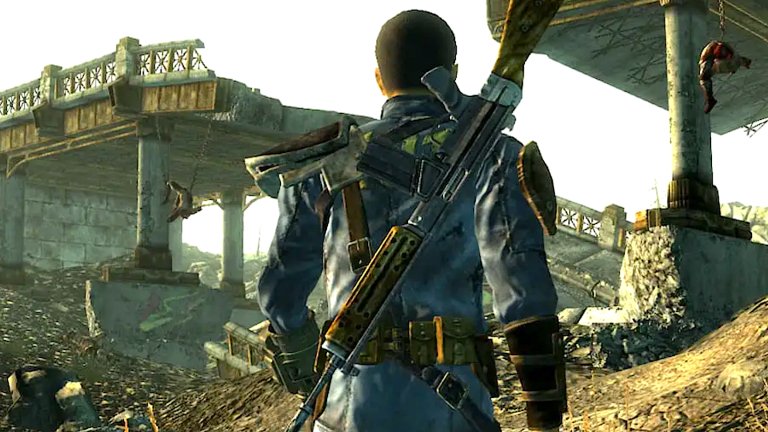
For years, the idea of a Fallout Remastered has lived in a strange limbo between wishful thinking and credible evidence. It is not just nostalgia talking. There are documents, corporate signals, platform decisions and a carefully maintained silence from Bethesda that, when examined together, paint a much more complex picture than simple rumor chasing. Fallout 3 and Fallout: New Vegas are not only beloved RPGs; they are cultural landmarks whose return carries strategic weight for Microsoft, Bethesda, and the future of the franchise itself.
The modern conversation gained real traction after the Microsoft versus FTC court case, when internal planning documents surfaced and casually listed a Fallout 3 remaster alongside other projects. This was not a leak from an anonymous forum user but material tied to a legal process, the same one that accurately revealed Oblivion Remastered long before its official announcement. That context matters. It shifted Fallout Remastered from pure speculation into the category of “unannounced but planned.” The reaction from the community was immediate, and coverage like that from indy100 highlighted how Fallout 3 and New Vegas suddenly felt closer than ever, even without trailers or release windows.
[https://www.indy100.com/gaming/fallout-3-new-vegas-remaster-remake-2675068280](https://www.indy100.com/gaming/fallout-3-new-vegas-remaster-remake-2675068280)
What followed, however, was not confirmation but absence. No reveal at major showcases. No teaser during Fallout Day. No subtle nod from Todd Howard. This silence is often interpreted as a bad sign, but historically Bethesda tends to stay quiet until projects are close to release. The studio avoided discussing Oblivion Remastered for years, only to launch it with little warning. That pattern suggests restraint rather than cancellation, especially when the company is juggling The Elder Scrolls VI, Starfield expansions, and ongoing Fallout 76 support.
At the same time, a parallel argument has emerged questioning whether Fallout even needs remasters at all. ComicBook.com made waves by arguing that Oblivion Remastered demonstrated the limits of revisiting old RPGs without fundamentally reworking their systems. According to this view, Fallout 3 and New Vegas already live on through mods, community patches, and backward compatibility, making a remaster feel redundant rather than revolutionary. It is a provocative take because it challenges the assumption that every classic must be modernized to stay relevant.
[https://comicbook.com/gaming/feature/if-oblivion-remastered-is-anything-to-go-by-we-dont-need-fallout-3-or-new-vegas-remasters/](https://comicbook.com/gaming/feature/if-oblivion-remastered-is-anything-to-go-by-we-dont-need-fallout-3-or-new-vegas-remasters/)
Yet Bethesda and Microsoft appear to be testing a different hypothesis through distribution rather than marketing. Fallout 3 is currently available on Xbox Game Pass with noticeable performance improvements, smoother frame rates, and better stability on modern hardware. Techloy described this version as a de facto remaster, even if it lacks the traditional label. While textures and mechanics remain largely intact, the technical experience is undeniably improved, and the cost barrier for players has effectively disappeared.
[https://www.techloy.com/fallout-3-remaster-is-now-free-on-xbox-game-pass/](https://www.techloy.com/fallout-3-remaster-is-now-free-on-xbox-game-pass/)
This move is subtle but revealing. By improving accessibility and performance without a full re-release, Microsoft gathers data on engagement, playtime, and player demographics. It answers a critical question quietly: do people still want to play Fallout 3 in 2025 when friction is removed? If the numbers are strong, a full remaster becomes a safer investment. If not, the company avoids the backlash of an underwhelming remake that fails to meet inflated expectations.
There is also a deeper tension at play between preservation and reinvention. Fallout 3 and New Vegas are products of a specific design era, one that favored slower pacing, dense dialogue, and systems that modern AAA audiences may find dated. A true remaster risks alienating purists if it changes too much, while disappointing newcomers if it changes too little. Bethesda is acutely aware of this balance, especially after watching polarized reactions to remakes and remasters across the industry.
All of this explains why Fallout Remastered feels both inevitable and elusive. The evidence suggests planning exists, the demand is undeniable, and the technology is ready. What remains uncertain is timing and intent. Will Bethesda present these games as respectful preservations, lightly polished and faithful, or as bold reinterpretations designed to bridge generations of players?
As Fallout continues to thrive through television, live-service updates, and a growing audience that never touched the originals, the real question is not whether Fallout Remastered will happen, but whether Bethesda believes now is the right moment to reopen the wasteland and ask players to see it again with fresh eyes.