How to Avoid Griefers in Online Cooperative Games
Feb 1st '26 10:58am:
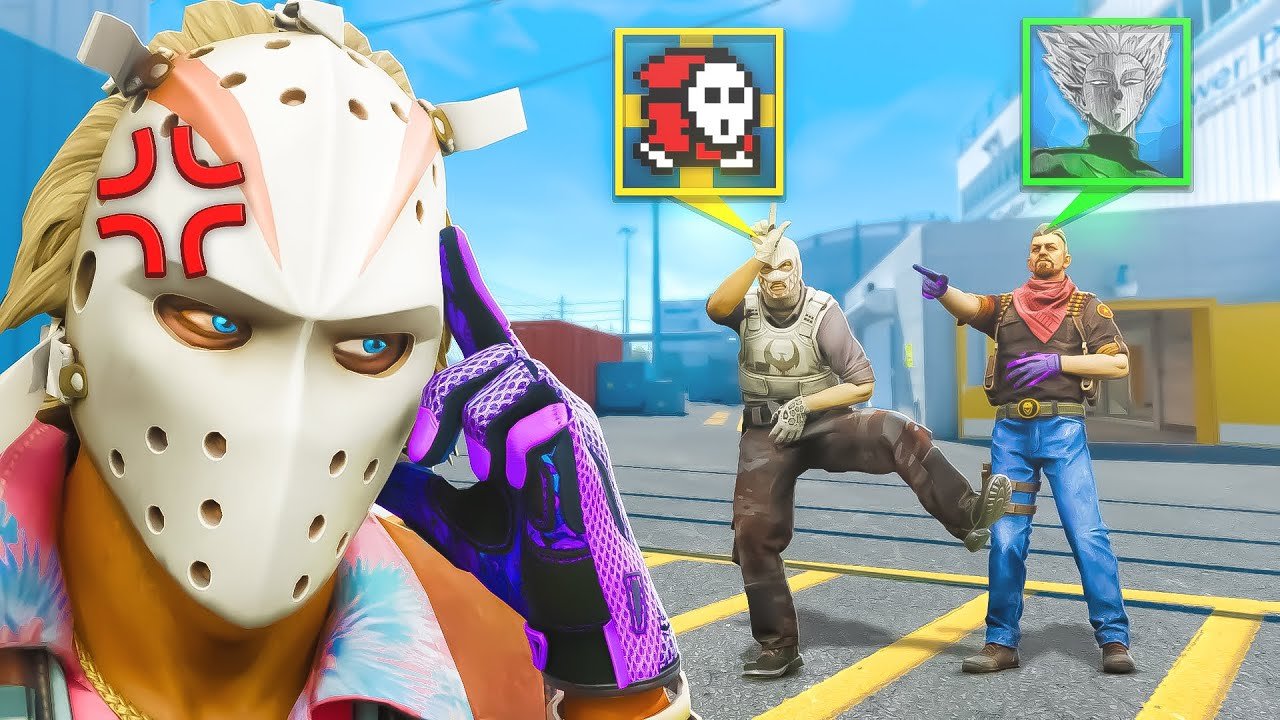
Online cooperative games rely on players trusting each other and working together to progress. However, the presence of **griefers**—players who deliberately disrupt or sabotage others’ experiences—can turn that cooperation into frustration. Studies show that victims of griefing suffer significant negative impacts on well-being, such as decreased feelings of autonomy and social connection, while perpetrators often feel gains in autonomy and competence. In other words, while most players may not notice substantial changes, those targeted by griefers tend to experience a sharp decline in their gameplay experience.
Games that promote cooperation often create what sociologists call the “**shadow of the future**”: when players know they will interact repeatedly to succeed, they tend to maintain civil behavior. Dmitri Williams from USC explains that “when the game requires cooperation or a longer-term association, players form connections and are far less likely to misbehave, because they realize they need the relationship to succeed.” Simply put, long-term or highly collaborative environments naturally discourage toxic behavior. Even so, some players break this cooperative spirit, demanding explicit countermeasures from developers and communities.
To combat griefers, many games have adopted sophisticated technical systems. One example is **reputation systems**, where each player’s past behavior is assessed and affects who they encounter in future matches. Academic research has proposed the *PlayerRating*, in which players accumulate a “reputation” based on feedback from others. In practice, current titles like *Rainbow Six Siege* implement similar programs: according to Ubisoft, the new reputation system ranks players from “Respectable” (ideal) to “Dishonorable” (clear negative tendencies). Players with lower rankings may face matchmaking restrictions or direct penalties, while those with high reputations play together. Ubisoft notes that reaching “Respectable” status means *“you are at the core of the community, not disrupting others’ experiences”*, reinforcing that good digital citizens are rewarded with healthier matches. While the system is still being refined—Ubisoft acknowledged initial flaws, such as wrongly labeling griefing incidents as “excessive”—its purpose is to automatically filter problematic players and create a smoother environment.
Another key tool is **behavior-based intelligent matchmaking**. In *Arc Raiders*, for instance, developers implemented an algorithm that monitors violent or peaceful actions. Players who avoid conflict and do not attack teammates are gradually directed toward more cooperative lobbies, while frequent aggressors are matched with others like them. As the studio CEO explained, “if you avoid conflict, the game directs you toward matches that reflect that behavior.” Interviews with developers highlight that the system considers each player’s “aggressive profile” in matchmaking—effectively grouping peaceful players together while letting more hostile ones encounter each other, reducing friction. Competitive shooters have also developed versions of this: Counter-Strike’s *trust factor* and matchmaking in *Overwatch 2* avoid pairing newcomers with experienced “throwers,” using behavior histories and prior reports to form teams.
**Active moderation** remains essential. Automated tools, often AI-based, scan text and voice chat for offensive language or sabotage patterns. Blizzard, creator of *Overwatch 2*, now uses AI to analyze voice chat, automatically warning players who behave inappropriately. The company observed that many players “improve disruptive behavior after a first warning.” In addition to AI, human moderators and filtered chat systems are still critical: *Overwatch* removed completely unrestricted chat, forcing users to adhere to stricter filters to prevent offensive language from contaminating matches. Hybrid solutions are currently favored: moderation should be transparent and *“work in tandem with human moderators”*, as experts suggest. This approach avoids both excessive automation that censors too much and the opposite extreme of only acting after reports—a common issue in many communities.
Equally important is **player-driven action**. Simple in-game tools like temporary kicks, blocking unwanted contacts, and forming teams with friends or clans are highly recommended by experienced players. Forums encourage rapid responses: if someone sabotages the team—by refusing to share resources, deliberately killing teammates, or abandoning missions—others should act quickly to remove the player before further damage occurs. This reflects community self-regulation, where guilds and social networks informally ban disruptive members. Statistics back this up: research from the Fair Play Alliance found that **85% of players** consider reporting systems crucial to the online experience. Most expect to be able to report abuse promptly and see a response, showing that managing negative behavior is the responsibility of both developers and players.
There is also a natural dilemma between **freedom and moderation**. How far can we go in filtering what is said and done in a game versus allowing players more freedom? Gaming institutions note that balance is essential. Analysis by the World Economic Forum highlights debates between proactive moderation (blocking before incidents occur) versus reactive (after reports), since overly strict filters can “undermine the game’s natural autonomy,” while insufficient moderation leaves players exposed until someone reports misconduct. Concrete examples: Blizzard’s removal of free chat was contested by some who felt it limited spontaneity, yet widespread reports of hate speech forced titles to ban certain words and even use voice recognition to punish real-time insults. Every technical solution has trade-offs, and companies must provide clear feedback. Blizzard pledged to “improve notifications when your report results in action,” ensuring players see the impact of their reports. Communities, in turn, push for transparency and consistent rules—no one wants moderation bots punishing innocents or unchecked toxicity spreading.
Ultimately, avoiding griefers is a collaborative effort. Developers combine **automated reputation and matchmaking systems**, **AI and human moderation**, and incentives for positive behavior. Simultaneously, players rely on **kicks, blocks, clans, and reports** to remove or isolate those who sabotage. In this complex context, where freedom of expression is valued but must be balanced with mutual respect, one question remains: **can we play cooperatively with complete safety without turning the environment into an overly regulated space?** After all, what is the ideal balance between behavioral freedom and the moderation necessary to keep the game enjoyable for everyone?