Highguard Is Already Fighting Its Hardest Battle And It Hasn’t Even Launched Yet
Jan 24th '26 10:25am:
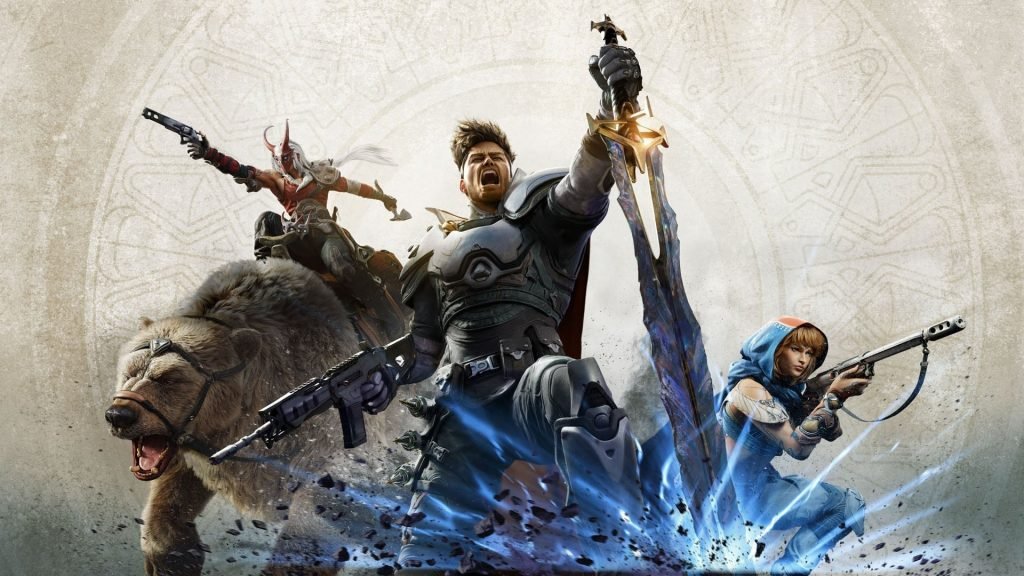
Some games quietly show up, find their audience, and move on. Highguard did the exact opposite. It arrived loudly, awkwardly, and straight into the middle of a debate it didn’t fully control. And that, honestly, makes it way more interesting than a generic hero shooter reveal.
What follows isn’t hype, damage control, or speculation. It’s a grounded look at what actually happened around Highguard, why people reacted the way they did, and what this situation says about modern multiplayer games.
## A Finale Slot That Changed Everything
Closing The Game Awards is not a neutral act. It’s a statement. When Highguard appeared as the final reveal, expectations instantly skyrocketed. People were primed for a sequel, a legacy franchise, or at least something instantly recognizable.
Instead, they got a brand-new IP from Wildlight Entertainment, a studio formed by experienced developers but without mainstream name recognition. The disconnect was immediate.
A key detail that got lost in the backlash is simple but important: Highguard did not pay for that slot. According to reporting by Paul Tassi at Forbes, the decision was editorial. Geoff Keighley personally believed the game deserved that spotlight.
That single choice reshaped the narrative. What could have been a low-pressure reveal turned into a high-stakes moment, and when the trailer didn’t answer basic questions about gameplay or identity, frustration filled the gap.
## Silence After the Noise
Normally, a controversial reveal is followed by clarification. Dev diaries, gameplay breakdowns, interviews. Highguard did none of that.
For weeks after The Game Awards, Wildlight stayed quiet. No extended footage. No mechanical deep dives. No explanation of what made the game different beyond broad genre cues.
That silence mattered. Not because developers owe constant updates, but because expectations had already been inflated by the stage the game was given. Without context, the community started writing its own story, and those stories were rarely charitable.
Only close to launch did Wildlight announce a launch-day livestream, promising gameplay reveals, explanations of core systems, and a roadmap for the first year. It felt less like marketing momentum and more like an overdue conversation.
## The Technical Line in the Sand
Then came the requirements.
Highguard requires Secure Boot, TPM 2.0, and Easy Anti-Cheat running at a deep system level. This isn’t hidden in fine print; it’s clearly stated on the game’s Steam page.
For many Windows players with modern hardware, this may seem trivial. For others, it’s a hard stop. PCs without TPM 2.0 simply cannot run the game. Linux users are entirely locked out.
This decision placed Highguard directly into an ongoing industry-wide argument about how far competitive games should go in the name of anti-cheat enforcement.
## Anti-Cheat, Trust, and Player Pushback
Kernel-level anti-cheat systems aren’t new. Valorant, Call of Duty, and others have normalized them. But acceptance is still conditional.
Highguard is asking for that level of trust before players even know if the game is worth committing to. There’s no established competitive scene to protect yet, no proven ecosystem to justify aggressive safeguards.
For privacy-conscious players, especially those deliberately using Linux or avoiding Secure Boot by choice, this wasn’t just a technical decision. It was a philosophical one. And Highguard clearly picked its side.
## What Makes This Situation Different
Here’s where perspective matters.
Highguard didn’t just stumble into controversy. It concentrated multiple high-friction decisions at once: a prestige reveal slot, minimal early communication, and strict technical requirements.
Any one of those might have been manageable on its own. Together, they created an environment where skepticism became the default reaction.
What’s notable is that none of this involves unverified claims or insider leaks. Everything discussed here comes directly from public statements, store listings, and confirmed reporting. The backlash isn’t built on rumors. It’s built on visible choices.
## The Unknown That Still Matters
Despite everything, Highguard still hasn’t shown its full hand.
We haven’t seen extended, uninterrupted gameplay. We don’t yet know how its heroes feel to play, how its matches flow, or what long-term progression looks like.
That means the door isn’t closed. A strong core experience could still reframe the conversation. Multiplayer history is full of games that launched under a cloud and found their footing later.
But the margin for error is thinner now. Trust, once strained, is harder to rebuild.
## Why Highguard Became a Case Study Overnight
Highguard unintentionally turned into a case study on how perception forms before launch.
It shows how presentation can overpower intent, how silence amplifies backlash, and how technical policies can define an audience before the first match is played.
Whether the game succeeds or fades, it will be referenced in future discussions about reveal strategy and player trust. And that alone makes it worth paying attention to.
## Questions Players Are Actually Asking
Is Highguard a competitive hero shooter
Yes. Wildlight has positioned Highguard as a competitive multiplayer hero shooter with distinct characters and ability-driven gameplay.
Did Highguard pay for its Game Awards finale slot
No. Multiple reports confirm the placement was an editorial decision, not a paid promotion.
Can Highguard run on Linux
No. Due to Secure Boot, TPM 2.0, and Easy Anti-Cheat requirements, the game does not support Linux systems.
Why does Highguard require Secure Boot and TPM 2.0
These requirements are part of its anti-cheat strategy, intended to reduce exploits by increasing system-level control.
When will gameplay be shown
Wildlight has confirmed a launch-day livestream where gameplay and future plans will be presented.
## Sources
[https://www.forbes.com/sites/paultassi/2026/01/17/highguard-did-not-pay-for-its-infamous-game-awards-finale-slot/](https://www.forbes.com/sites/paultassi/2026/01/17/highguard-did-not-pay-for-its-infamous-game-awards-finale-slot/)
[https://www.gamespot.com/articles/highguard-devs-will-break-silence-with-launch-day-stream/1100-6537620/](https://www.gamespot.com/articles/highguard-devs-will-break-silence-with-launch-day-stream/1100-6537620/)
[https://www.pcgamer.com/hardware/highguard-requires-secure-boot-and-easy-anti-cheat-to-run-leaving-linux-and-kernel-conscious-gamers-out-in-the-cold/](https://www.pcgamer.com/hardware/highguard-requires-secure-boot-and-easy-anti-cheat-to-run-leaving-linux-and-kernel-conscious-gamers-out-in-the-cold/)